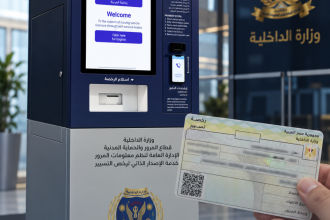

Egypt has announced an extension of the exemption period for mobile phones brought into the country by Egyptians living abroad, increasing it from 90 days to 120 days starting April 1, 2026. The decision is part of ongoing efforts to enhance digital services and simplify administrative procedures for citizens overseas.
The measure follows coordination between the Ministry of Foreign Affairs and the Ministry of Communications and Information Technology, reflecting a broader push to improve accessibility and efficiency in government services. Central to this effort is the Digital Egypt platform, which provides a range of online services to users both داخل Egypt and abroad, allowing for more streamlined interactions with official systems.
The extension builds on the Mobile Phone Governance System introduced in January 2025, a regulatory framework designed to monitor and manage mobile devices entering the Egyptian market. Under this system, all mobile phones must be registered upon entry into the country.
Devices that are not imported through officially approved local agents are subject to a regulatory fee of 38.5%, which includes customs duties and value-added tax. This policy was introduced to address the widespread issue of informal imports, which previously made up a significant portion of the mobile phone market.
Initially, a general 90-day grace period was granted to travellers, allowing time to register their devices without penalties. However, this grace period was discontinued in January 2026 as part of a shift toward supporting local distributors and strengthening formal market channels.
The newly extended 120-day exemption period applies specifically to Egyptians living abroad, offering them additional time to comply with registration requirements under the current system. The move is expected to ease the process for expatriates while maintaining the government’s broader objectives of regulating the market and promoting official import channels.
Overall, the decision highlights Egypt’s ongoing transition toward a more structured and digitally integrated system for managing imports and delivering public services, balancing regulatory oversight with greater convenience for citizens abroad.