Egypt is planning a significant increase in its public sector minimum wage, targeting EGP 15,000 per month by 2030, as part of a broader government strategy to improve living standards and address the rising cost of living.
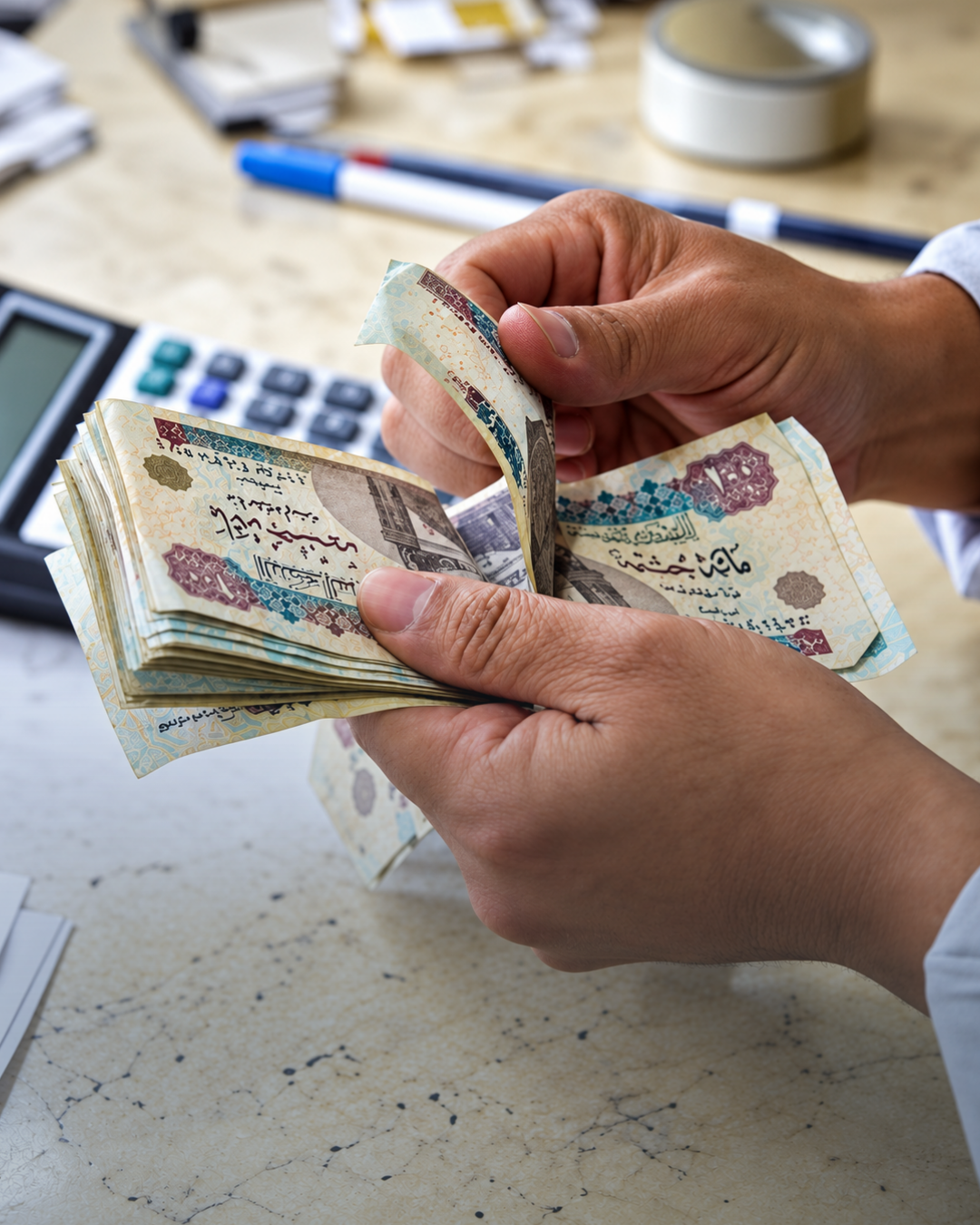
The proposed increase would raise the minimum monthly wage for government employees from the current EGP 8,000 to EGP 15,000, representing an increase of EGP 7,000, or 87.5%.
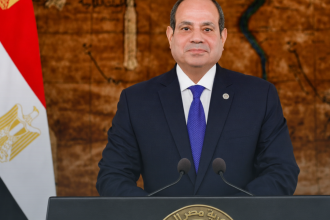
Prime Minister Mostafa Madbouly announced the target during the closing session of Egypt Forum 2026 on October 24, outlining a series of economic and social priorities intended to guide the country’s development through the end of the decade.
The plan is expected to affect approximately 4.5 million government employees and forms part of wider efforts to improve household incomes, strengthen social protection, and support economic growth.
Egypt Minimum Wage Target Set At EGP 15,000 By 2030
The Egyptian government has announced its intention to increase the minimum monthly wage for public-sector employees to EGP 15,000 by the end of the 2029/2030 fiscal year.
The target was presented by Prime Minister Mostafa Madbouly during the concluding session of Egypt Forum 2026, held in the New Capital.
The forum brought together government officials, specialists, and members of the public to discuss Egypt’s economic challenges and development priorities.
Following the discussions, the government announced a collection of recommendations covering wages, employment, healthcare, education, housing, investment, and other essential sectors.
According to Egypt’s State Information Service, the recommendations were subsequently adopted as presidential directives for government implementation.
Among the most significant economic objectives is the planned increase in the public sector minimum wage.
The proposed adjustment would nearly double the existing minimum monthly salary for government employees.
However, the EGP 15,000 figure remains a target for 2030 rather than an increase that has already taken effect.
The government has not yet published a complete official schedule detailing the exact wage increases that will be implemented each year.
How Much Will Egypt’s Minimum Wage Increase?
Under the announced target, the minimum monthly wage for government employees would increase by EGP 7,000.
The figures are:
- Current Minimum Wage: EGP 8,000 per month
- Target Minimum Wage: EGP 15,000 per month
- Proposed Monthly Increase: EGP 7,000
- Percentage Increase: 87.5%
- Target Deadline: End of fiscal year 2029/2030
- Employees Covered By The Government Framework: Approximately 4.5 million
If the target is implemented, a government employee earning the minimum monthly wage would receive EGP 15,000 instead of EGP 8,000.
On an annual basis, that represents an increase from EGP 96,000 to EGP 180,000 before considering applicable deductions.
The annual difference would amount to EGP 84,000.
These figures illustrate the scale of the proposed increase, although actual take-home pay would depend on the applicable salary structure, taxes, and social insurance deductions.
It is also important to distinguish the percentage increase in nominal wages from the improvement in purchasing power.
The real value of the additional income will depend partly on inflation and changes in household living costs between now and 2030.
When Will The New EGP 15,000 Minimum Wage Take Effect?
Egypt’s government has set the end of fiscal year 2029/2030 as the deadline for achieving its EGP 15,000 minimum wage target.
Egypt’s fiscal year begins on July 1 and ends on June 30 of the following year.
This means the announced deadline corresponds to June 30, 2030.
However, the government has not announced that employees will begin receiving EGP 15,000 immediately.
The target is expected to require further budget decisions and adjustments to the public-sector salary structure.
Reports have indicated that the government is examining gradual wage increases over the coming years.
Nevertheless, a detailed official implementation timetable has not yet been confirmed.
The next steps will depend on government decisions, economic conditions, and the allocation of financial resources in future state budgets.
Until further measures are announced, the public-sector minimum wage remains EGP 8,000 per month.
Egypt Raised Its Public Sector Minimum Wage To EGP 8,000 In July 2026
The latest announcement follows a series of increases to Egypt’s public sector minimum wage.
In April 2026, Prime Minister Mostafa Madbouly announced that the government had approved an increase of EGP 1,000 in the minimum monthly wage.
The decision raised the minimum salary for government employees from EGP 7,000 to EGP 8,000, effective July 2026.
The adjustment formed part of the state’s fiscal year 2026/2027 budget.
At the time, the government also announced a 21% increase in allocations for public-sector wages.
The measure followed an earlier increase that raised the public-sector minimum wage to EGP 7,000 in July 2025.
These changes reflect a series of government efforts to adjust salaries as households continue to experience economic pressure.
The newly announced 2030 target would represent a substantially larger increase over the coming years.
However, achieving it will require additional government funding and decisions on how salary adjustments should be distributed across different employment grades.
Will The EGP 15,000 Minimum Wage Apply To Private Sector Employees?
One of the most important distinctions in the announcement concerns the difference between government employees and private-sector workers.
The EGP 15,000 target announced at Egypt Forum 2026 applies to the public sector.
It does not automatically mean that every employee in Egypt will receive a minimum monthly salary of EGP 15,000 by 2030.
The private sector operates under a separate minimum wage framework regulated by the National Wages Council.
As of October 2026, the private-sector minimum wage stands at EGP 7,000 per month, following an increase that took effect in March 2025.
That increase was introduced to improve the financial conditions of private-sector employees and respond to changing economic conditions.
The National Wages Council is responsible for reviewing private-sector minimum wage levels and approving adjustments.
Although further increases may be considered, the government has not announced a binding EGP 15,000 minimum wage requirement for private-sector employers.
A member of the National Wages Council also confirmed in October 2026 that the council had not yet held a meeting to discuss matching the government’s new 2030 target.
Private-sector employees should therefore distinguish between the government’s public-sector wage objective and any future decisions issued by the National Wages Council.
Teachers Could Reach EGP 15,000 In Minimum Income Within Two Years
The government’s wage proposals also include specific measures for employees in the education sector.
During Egypt Forum 2026, Prime Minister Mostafa Madbouly outlined plans to improve teachers’ financial conditions through a gradual incentive system.
Under the proposal, the government aims to raise the minimum income of teachers to EGP 15,000 within two years.
This represents a different timeline from the broader public-sector minimum wage target.
The proposal is based on introducing financial incentives designed to improve teachers’ overall earnings.
However, a minimum income target that includes incentives is not necessarily the same as raising the basic salary component to EGP 15,000.
Further details will be needed to determine how the planned incentives will be calculated and distributed.
The initiative forms part of broader government efforts to improve working conditions in education and support the development of Egypt’s teaching workforce.
Egypt Also Plans To Increase Healthcare Workers’ Financial Incentives
Alongside the proposed minimum wage increase, the government has announced additional income-related targets for healthcare professionals.
The recommendations presented at Egypt Forum 2026 include plans to increase average performance-related incentives for medical-sector employees by at least 50% by the end of fiscal year 2029/2030.
The increase is expected to be implemented gradually, with the intention of creating sustainable financial commitments within the state budget.
The government has also identified improving the incomes of university faculty members and researchers as a priority.
These sector-specific proposals are intended to address compensation and workforce conditions in essential public services.
However, the measures remain separate from the general minimum wage target and may involve different implementation mechanisms.
Why Is Egypt Planning To Raise The Minimum Wage?
The proposed increase comes amid continued concerns about the cost of living and the financial pressures facing Egyptian households.
Over recent years, rising consumer prices and economic uncertainty have affected the purchasing power of salaries.
Higher costs for food, transportation, housing, and essential services have increased the importance of wage adjustments for many families.
During Egypt Forum 2026, Prime Minister Mostafa Madbouly acknowledged the difficulties experienced by citizens and outlined the government’s intention to improve living conditions.
The proposed minimum wage increase is part of an economic agenda that seeks to raise household incomes while supporting longer-term development.
The government’s broader objectives include increasing production, encouraging investment, creating employment opportunities, and improving public services.
Raising the minimum wage could provide additional financial support for lower-paid government employees.
However, the extent to which households benefit will also depend on inflation, employment conditions, and the cost of essential goods and services.
A higher nominal wage does not automatically guarantee an equivalent improvement in living standards if prices continue to rise.
Egypt Forum 2026 Introduces Wider Economic Targets Through 2030
The proposed minimum wage increase was one of several economic and social targets announced during Egypt Forum 2026.
The six-day event took place from October 19 to 24 in the New Capital.
Its discussions focused on the country’s development over previous years and the priorities needed to improve economic conditions and quality of life.
Alongside the wage announcement, the forum’s recommendations included a target to increase average employee wages by at least 50% by the end of fiscal year 2029/2030.
Other priorities included expanding investment, strengthening domestic production, improving employment opportunities, and supporting public services.
The government’s economic targets also include achieving GDP growth of 6.8% by fiscal year 2029/2030 and reducing unemployment to approximately 5.5% by 2030.
These objectives form part of the country’s wider economic transformation plans.
The government has indicated that its National Economic Transformation Programme will establish additional targets and implementation measures.
Further details of the programme are expected to be presented for public consultation.
The success of the proposed wage adjustments will depend partly on the wider economy’s performance and the government’s ability to finance salary increases over time.
How Could The Minimum Wage Increase Affect Egyptian Households?
For government employees currently earning the minimum monthly wage, the proposed increase could provide additional income to cover everyday expenses.
If the target is achieved, the monthly minimum would be EGP 7,000 higher than its October 2026 level.
This additional income could help households manage essential costs, including groceries, transportation, education, and housing.
However, the financial impact will vary between employees and households.
Workers already earning more than the minimum wage may not necessarily receive an increase equivalent to the full EGP 7,000 difference.
Their salaries will depend on future government decisions regarding wage structures and salary adjustments.
Similarly, the purchasing power of EGP 15,000 in 2030 cannot be assumed to equal its purchasing power today.
Inflation will remain an important factor in determining how much additional financial security the proposed increase provides.
The government will also need to balance higher salary allocations with other public spending priorities.
These include healthcare, education, infrastructure, and social protection programmes.
For households, the most significant outcome will be whether future wage increases improve their ability to afford essential goods and services.
What Happens Next With Egypt’s Minimum Wage Plan?
The government’s next steps will involve developing the policies and financial arrangements needed to work toward its 2030 target.
Prime Minister Mostafa Madbouly has indicated that a broader National Economic Transformation Programme will outline priorities and implementation measures for the coming years.
The programme is expected to address economic growth, employment, investment, living standards, and government spending.
Future state budgets will play an important role in determining how wage adjustments are funded.
Additional announcements will also be needed to clarify the timing of proposed increases and how they will apply across different categories of government employees.
For private-sector workers, any changes to the minimum wage will require separate decisions through the appropriate regulatory framework.
Until those decisions are issued, the current minimum wage levels remain in effect.
Egypt Targets Higher Government Salaries By The End Of The Decade
Egypt’s plan to raise the public sector minimum wage to EGP 15,000 by 2030 represents one of the country’s most significant long-term salary targets announced in 2026.
The proposed 87.5% increase would raise the minimum monthly wage for government employees from EGP 8,000 to EGP 15,000, with approximately 4.5 million state employees covered by the wider public-sector wage framework.
The announcement forms part of Egypt Forum 2026’s broader recommendations to improve incomes, expand employment opportunities, and strengthen economic development.
Additional measures targeting teachers, healthcare professionals, and university employees also reflect the government’s intention to review compensation across essential public services.
However, the EGP 15,000 figure remains a future target rather than an immediate increase, and the private sector is not automatically covered by the announcement.
As Egypt works toward fiscal year 2029/2030, attention will turn to the government’s implementation plans, future wage decisions, and the impact of inflation on household purchasing power.