Egypt has officially approved an increase in the private sector minimum wage to EGP 8,500 per month, up from EGP 7,000, with the new salary requirement taking effect on January 1, 2027.
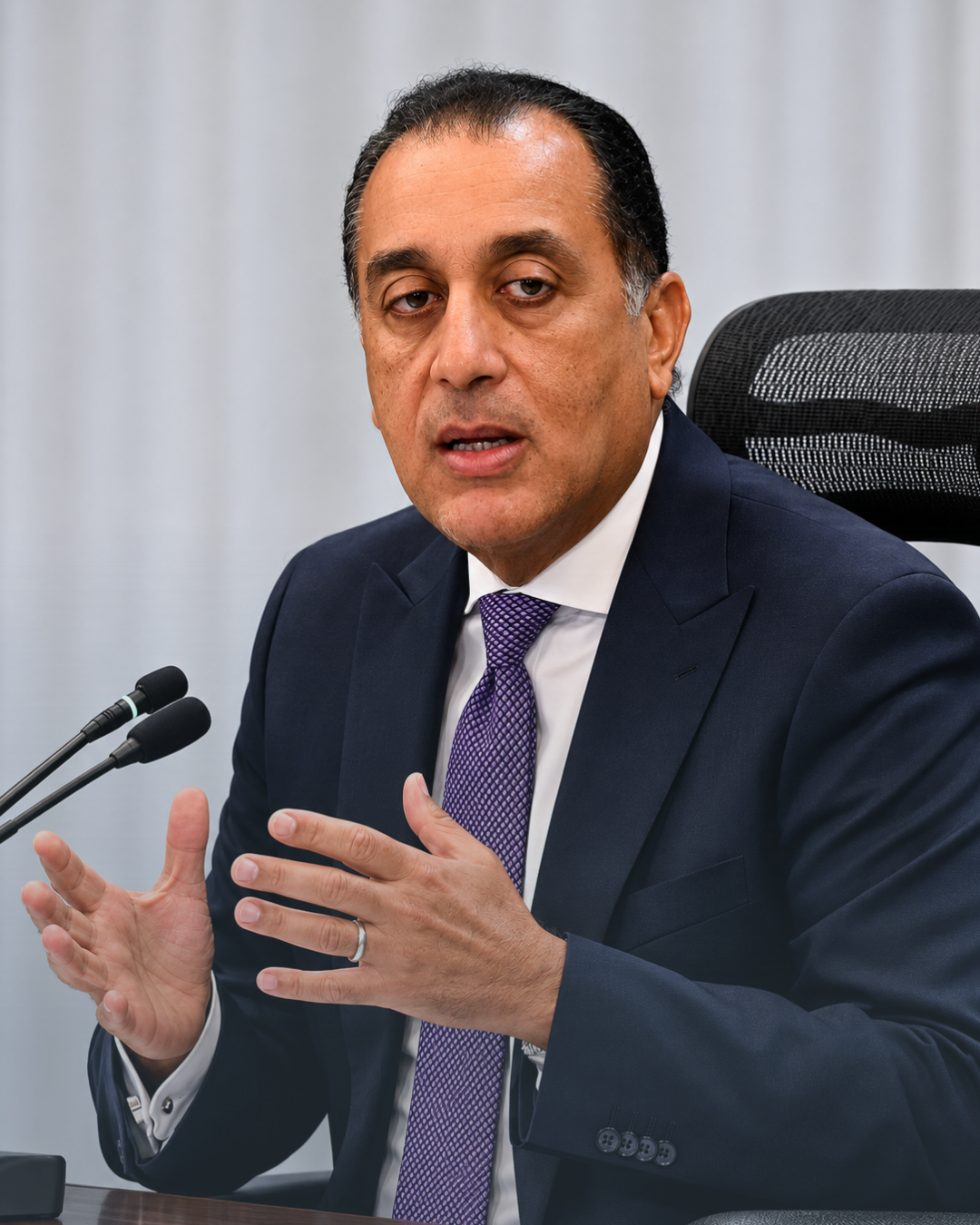
The decision was announced on November 15, 2026, following a meeting of the National Wages Council chaired by Prime Minister Mostafa Madbouly.
The increase represents an additional EGP 1,500 per month for employees earning the current minimum wage, equivalent to approximately 21.4%.
The council also approved changes to minimum hourly wages and annual salary increases as part of broader efforts to improve workers’ incomes across Egypt.
Egypt’s New Minimum Wage Will Take Effect In January 2027
The National Wages Council confirmed that the new private sector minimum wage of EGP 8,500 will officially take effect on January 1, 2027.
Under the decision, the minimum monthly wage will increase from EGP 7,000 to EGP 8,500, representing a rise of EGP 1,500.
For employees currently earning the minimum wage, the adjustment represents a significant increase in their monthly earnings.
The new minimum wage will apply to private sector establishments across Egypt, with the government emphasizing the importance of ensuring employers comply with the updated requirements.
The decision follows previous adjustments to private sector wages as authorities continue efforts to address rising living costs and improve employees’ purchasing power.
How Much Will Private Sector Salaries Increase?
The latest decision raises the minimum monthly salary by approximately 21.4%.
The difference between the current and upcoming wage requirements is outlined below:
| Category | Current Minimum | January 2027 Minimum |
|---|---|---|
| Monthly Minimum Wage | EGP 7,000 | EGP 8,500 |
| Monthly Increase | — | EGP 1,500 |
| Percentage Increase | — | 21.4% |
| Annual Earnings At Minimum Wage | EGP 84,000 | EGP 102,000 |
For an employee earning the minimum wage throughout an entire year, the increase represents an additional EGP 18,000 in annual earnings before accounting for any applicable deductions or changes in employment circumstances.
However, the decision does not mean that every private sector employee will automatically receive a 21.4% salary increase.
The adjustment primarily affects workers whose wages fall below the newly approved minimum.
Minimum Hourly Wage Raised To EGP 34
Alongside the monthly minimum wage increase, the National Wages Council approved a new minimum hourly rate for certain categories of workers.
Under the decision, employees performing work that is temporary by nature, as well as part-time workers, will be entitled to a minimum net hourly wage of EGP 34.
The new hourly rate aims to establish clearer compensation standards for workers who are not employed under traditional full-time monthly salary arrangements.
The measure forms part of the council’s broader effort to improve income protection across different employment categories.
Annual Salary Increase Set At A Minimum Of EGP 350
The National Wages Council also approved updated requirements for annual periodic salary increases in the private sector.
Starting from the 2027 financial year, employers must provide an annual periodic increase of at least 3% of an employee’s social insurance contribution wage, with a minimum increase of EGP 350.
The timing of the annual increase will depend on the financial accounting year followed by each establishment.
This means the annual periodic increase is separate from the adjustment to the minimum monthly wage.
The measure is intended to support continued salary growth while establishing a minimum annual increment for eligible private sector employees.
Why Is Egypt Increasing The Private Sector Minimum Wage?
The government’s decision comes as part of broader efforts to improve living standards and strengthen income protection for workers.
During the November 15 meeting, Prime Minister Mostafa Madbouly emphasized the importance of improving wages across Egypt, particularly within the private sector.
The government highlighted the private sector’s significant role in employment, making wage policies an important consideration for the country’s economy.
According to figures presented during the meeting, approximately 26.5 million people worked in Egypt’s private sector in 2025, out of a total workforce of around 32 million employed individuals.
The figures include workers inside and outside formal establishments.
Officials also discussed inflation, economic growth, and labor market developments as key factors in determining appropriate minimum wage levels.
Egypt’s Minimum Wage Has Increased Several Times
The latest announcement follows a series of private sector minimum wage adjustments introduced over recent years.
In March 2025, Egypt increased the minimum monthly wage for private sector employees from EGP 6,000 to EGP 7,000.
The newly announced increase to EGP 8,500 will therefore mark another adjustment in the country’s wage policy.
Between March 2025 and January 2027, the minimum wage will have risen by EGP 1,500, representing an increase of approximately 21.4%.
The National Wages Council periodically reviews wage requirements in response to economic conditions, inflation, and labor market developments.
Government Calls For Private Sector Compliance
Prime Minister Mostafa Madbouly stressed the importance of ensuring that private sector establishments comply with the new minimum wage requirements.
During the council meeting, he emphasized the need for government authorities to monitor implementation and support the enforcement of wage regulations.
The decision was approved within the framework of Egypt’s Labor Law No. 14 of 2025, which regulates the structure and responsibilities of the National Wages Council.
The council includes representatives of the government, employers’ organizations, and workers’ organizations.
This structure is intended to ensure that wage decisions take into account the interests of employees and businesses.
Egypt Plans Further Wage Improvements Through 2030
Beyond the January 2027 increase, the government is examining additional measures to improve incomes over the coming years.
Prime Minister Mostafa Madbouly directed the formation of a working group bringing together government officials and private sector representatives.
The group will study proposals for future wage increases and income improvements across different economic sectors through 2030.
The initiative aims to develop a longer-term approach to wage growth while considering economic performance and the needs of employers and employees.
No specific additional minimum wage increases beyond January 2027 were announced during the meeting.
What Does The New Minimum Wage Mean For Employees?
For private sector employees currently earning less than EGP 8,500 per month, the new decision establishes a higher minimum salary requirement beginning January 1, 2027.
Workers already earning above the new minimum will not necessarily receive the same EGP 1,500 increase, although separate annual periodic increase requirements may apply.
The updated wage framework also introduces a minimum net hourly rate of EGP 34 for qualifying temporary and part-time workers.
With the implementation date approaching, employers will need to prepare for the revised salary requirements.
The increase represents another step in Egypt’s efforts to improve private sector wages while developing longer-term policies aimed at strengthening workers’ incomes through 2030.