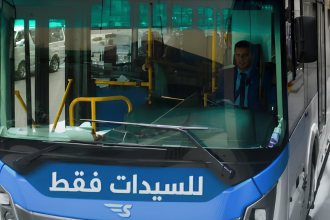

Egyptian authorities are moving forward with plans to transition government vehicles toward electric-powered transportation following new directives issued by the Prime Minister.
The move forms part of Egypt’s broader environmental and sustainability strategy aimed at reducing fuel consumption, lowering emissions, and expanding the use of clean energy technologies across public sectors.
According to officials, government entities will gradually begin replacing or converting traditional fuel-powered vehicles with electric alternatives as part of a phased national transition plan.
The initiative is also expected to support Egypt’s growing electric vehicle infrastructure, including charging station expansion and investments linked to sustainable transportation systems.
Authorities stated that the transition aligns with wider state policies focused on green transformation, energy efficiency, and climate-conscious development strategies implemented across multiple sectors in recent years.
The government has increasingly promoted environmentally friendly transportation projects, including electric buses, monorails, electric trains, and initiatives encouraging cleaner mobility solutions in urban areas.
Officials noted that adopting electric vehicles within public institutions could help reduce operational costs over time while supporting national efforts to modernise transportation systems and improve environmental sustainability.
The decision reflects Egypt’s continued focus on renewable energy and green development as part of long-term economic and infrastructure planning.