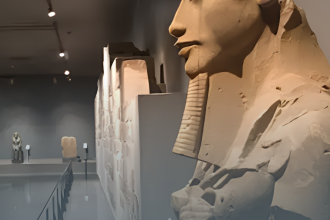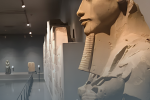
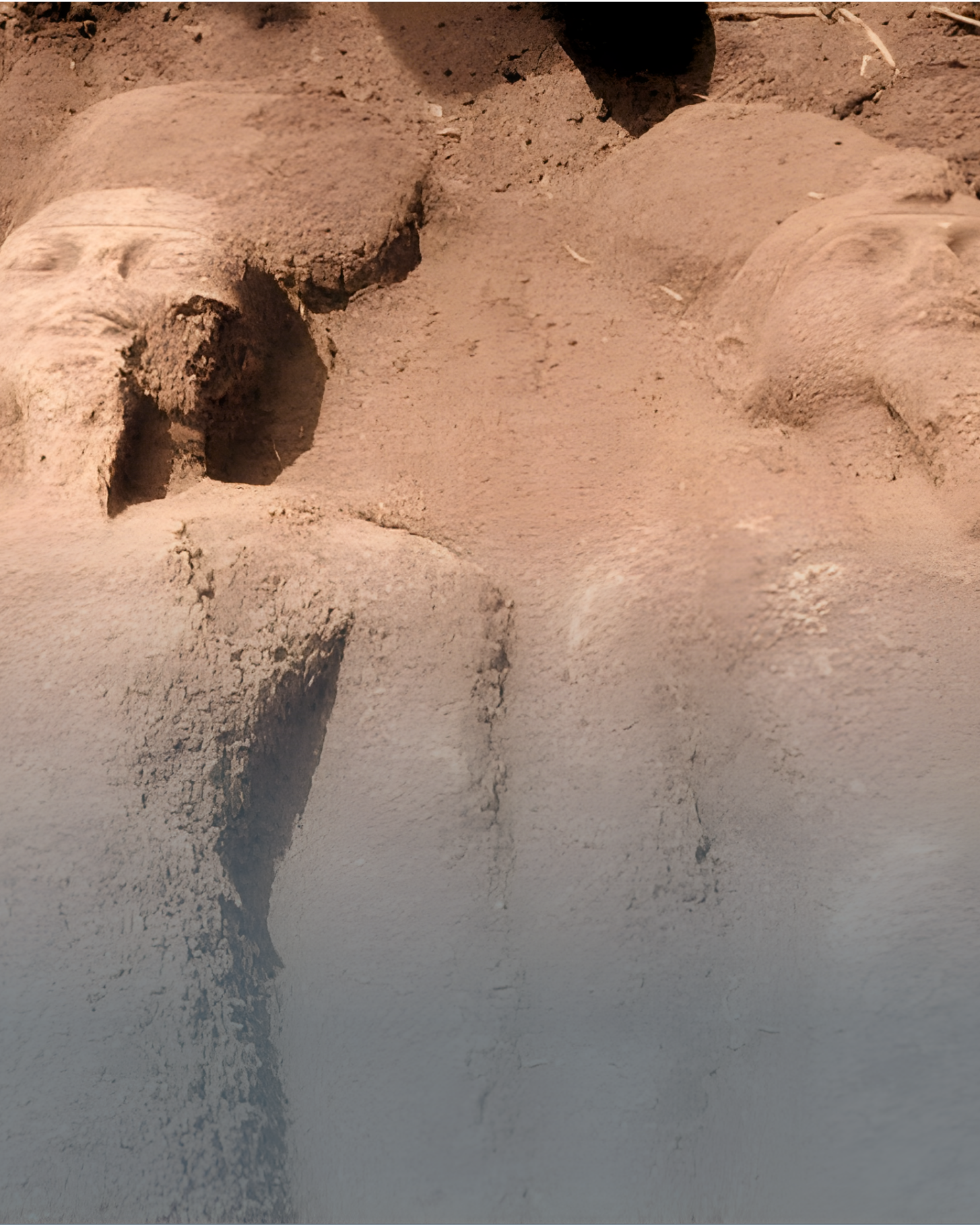
Archaeologists in Egypt have uncovered fragments of a massive ancient statue believed to depict Pharaoh Ramesses II during excavations in Sharqia Governorate.
The discovery was made at the Tell El-Faraoun archaeological site in El-Husseiniya by an Egyptian mission affiliated with the Supreme Council of Antiquities. According to officials, the remaining section of the statue stands approximately 2.2 metres tall and weighs between five and six tonnes.
Although the statue is missing its lower section, including the legs and base, archaeologists noted that surviving artistic and royal details strongly suggest it represents Ramses II, one of ancient Egypt’s most prominent rulers. Experts also believe the fragments may have originally formed part of a larger triad statue group similar to discoveries previously found in Sharqia.
Preliminary studies indicate that the statue may not have originally belonged to the Tell El-Faraoun site. Researchers believe it was likely transported in ancient times from Pi-Ramesses, the royal capital established by Ramses II, before being reused within a religious complex in the eastern Nile Delta.
Officials from the Ministry of Tourism and Antiquities described the discovery as an important addition to understanding the religious and royal significance of the eastern Delta region during the New Kingdom period. Restoration work is currently underway to preserve the statue and reveal additional artistic details.