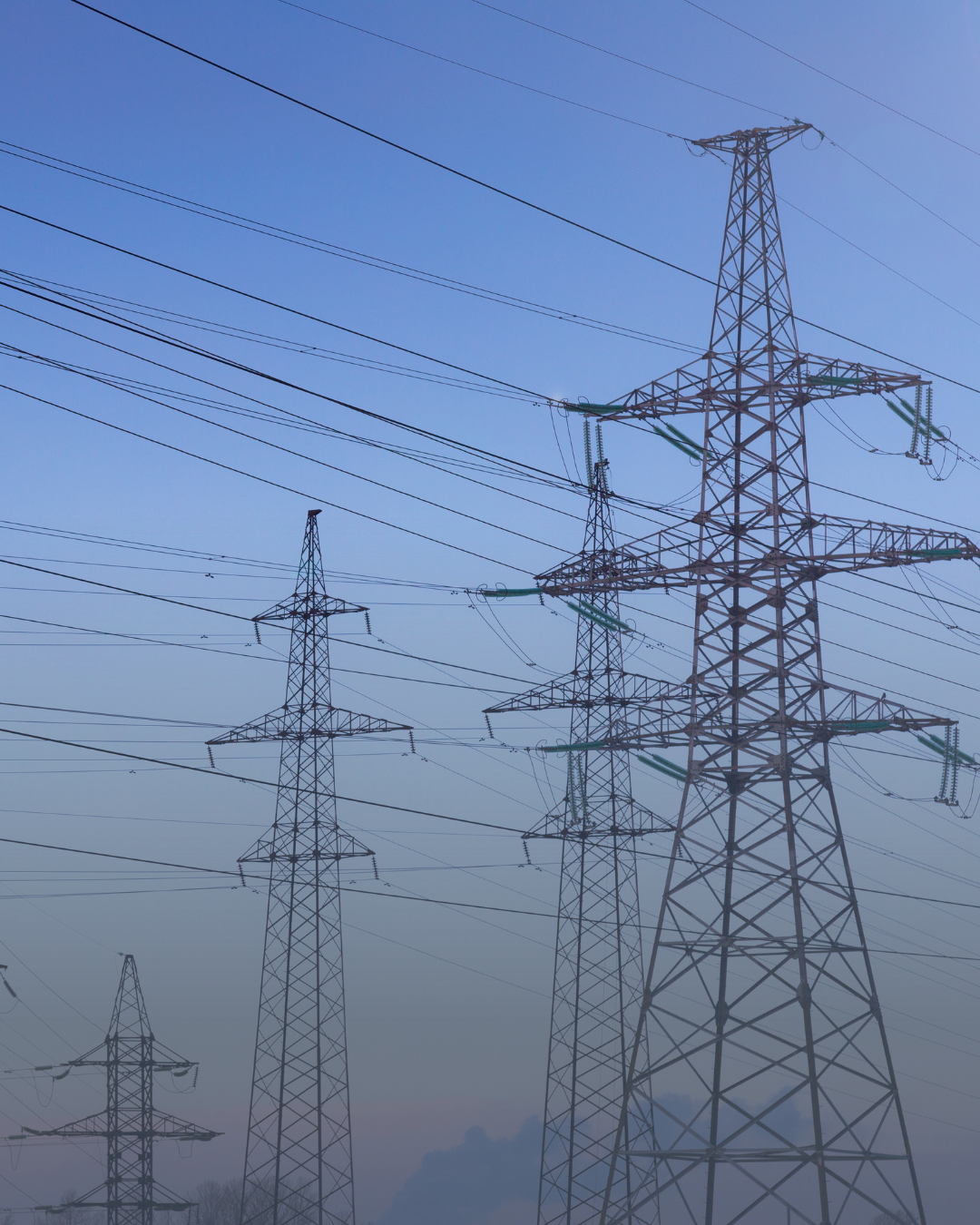
Egypt’s national electricity grid has reached a new all-time high, recording a peak load of 40,200 megawatts on August 12, 2026, as an intense summer heatwave continues to push power consumption across the country.
The new figure surpassed the previous record of 40,000 MW, which had been set just one day earlier. According to the Ministry of Electricity and Renewable Energy, the National Energy Control Centre recorded the latest peak as households and businesses increased their use of air conditioning amid exceptionally high temperatures.
Demand Breaks Records Two Days in a Row
Egypt first crossed the 40,000 MW mark on August 11, when electricity demand jumped by 700 MW from the previous day’s 39,300 MW.
That figure already exceeded the previous annual peak of 39,800 MW recorded in 2025. Less than 24 hours later, demand climbed another 200 MW to reach 40,200 MW, setting a second consecutive record.
The sharp rise reflects the impact of the ongoing heatwave, with temperatures approaching 40°C in Greater Cairo and climbing even higher in parts of Upper Egypt. Cooling systems and air conditioners are among the biggest contributors to increased electricity use during peak summer hours.
Egypt’s Grid Remains Stable
Despite the unprecedented load, the Ministry of Electricity said the unified national grid remained stable and continued supplying power across all governorates and voltage levels without interruption.
Authorities have increased preparedness across electricity generation, transmission and distribution networks, while additional technical support, emergency response and maintenance teams have been deployed to help address any faults quickly.
Inspection and occupational safety teams have also been expanded as officials continue to monitor the network during the prolonged period of extreme heat.
Electricity Ministry Steps Up Emergency Measures
Electricity Minister Mahmoud Esmat has instructed officials to maintain continuous monitoring of the national grid and ensure that company leaders and technical teams remain available during peak consumption periods.
Customer service centres have extended their working hours and increased staffing to respond more quickly to complaints and reports from subscribers.
The ministry says these measures are designed to maintain grid stability and ensure uninterrupted supplies for residential, commercial and industrial consumers.
Fuel Supplies Are Central to Summer Preparations
The record demand also places additional pressure on the fuel needed to operate Egypt’s power plants.
Ahead of the summer season, the electricity and petroleum ministries coordinated plans to secure enough natural gas and other fuels to cover expected increases in consumption. Officials had anticipated a significant year-on-year rise in electricity demand and reviewed several operating and emergency scenarios before temperatures reached their summer peak.
The petroleum sector has relied on measures including LNG imports, regasification capacity, increased domestic gas production and real-time monitoring of fuel flows to support electricity generation during periods of heavy consumption.
Heatwave Pushes Egypt’s Energy System to New Heights
Egypt’s latest electricity record highlights how extreme summer temperatures can rapidly affect national energy demand.
In only two days, the country moved from a peak of 39,300 MW to 40,200 MW, while the grid continued operating under increasingly demanding conditions.
With high temperatures continuing, electricity authorities remain on heightened alert and are preparing for the possibility that consumption could rise further before the heatwave eases.
For now, the 40,200 MW milestone represents the highest demand ever recorded by Egypt’s national electricity system—and another test of the country’s ability to keep power flowing through an exceptionally hot summer.