
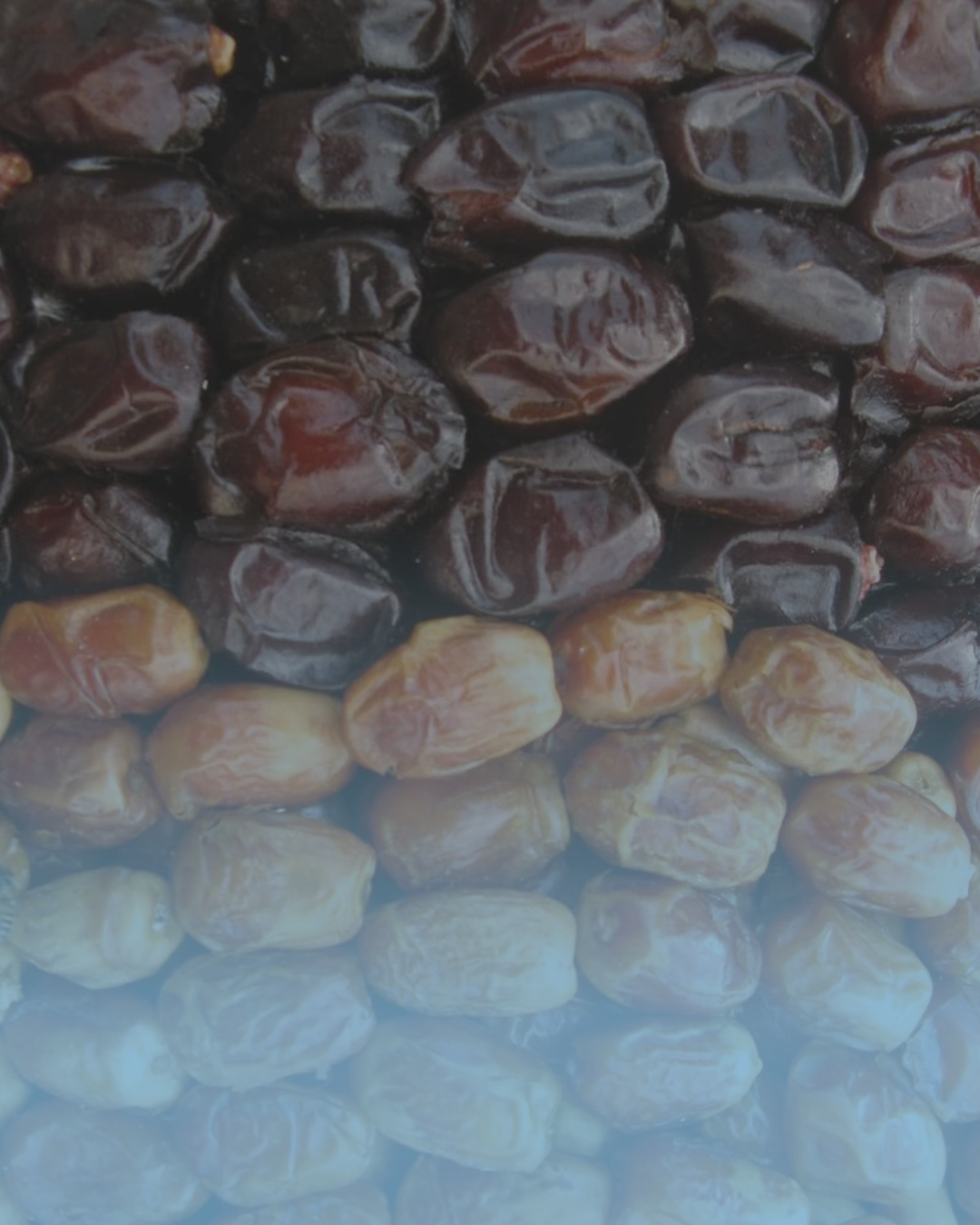
February 9 — Cairo: Egypt continues to rank as the world’s leading producer of dates, with annual production exceeding 2 million tons and approximately 24 million palm trees across the country, according to Minister of Agriculture and Land Reclamation Alaa Farouk.
Speaking during his visit to the sixth Cairo Date Festival on Sunday, Farouk highlighted Egypt’s strong standing in the international date market and outlined plans to expand the cultivation of premium date varieties to further strengthen the country’s export potential.
The minister also emphasized the importance of Egypt’s date processing and export sector, noting that the country currently has more than 200 facilities dedicated to date processing and packaging. Many of these facilities have been developed through joint efforts between the government and private sector.
Farouk explained that Egypt’s date exports have increased significantly in recent years, driven by improvements in product quality and successful efforts to enter new markets across Europe, Asia, and Africa.
He also noted the role of the United Arab Emirates in supporting Egypt’s date industry, including financing the rehabilitation of the Siwa Date Factory at a cost of approximately EGP 14 million. Additionally, the Kharga Date Complex in the New Valley was renovated with an investment of around EGP 17 million.
Further infrastructure improvements include the establishment of a refrigerated storage facility in the Bahariya Oasis with a capacity of 4,000 tons, helping to enhance storage efficiency and overall production capabilities.
The government is also working to develop specialized date production complexes in several industrial areas, including Sadat City, Borg El Arab, 10th of Ramadan City, and 6th of October City.
According to ministry data, Egypt imported a total of 29,439 tons of dates in 2025. Saudi Arabia was the largest supplier, exporting 21,494 tons to Egypt, followed by Iraq with 5,522 tons, Libya with 1,583 tons, Jordan with 620 tons, Syria with 204 tons, Sudan with 15 tons, and the United Arab Emirates with 1,721 tons.