Egypt has extended its Sunday remote work policy through September 2026, continuing a measure introduced earlier this year to reduce energy consumption and limit pressure on transportation and workplaces.
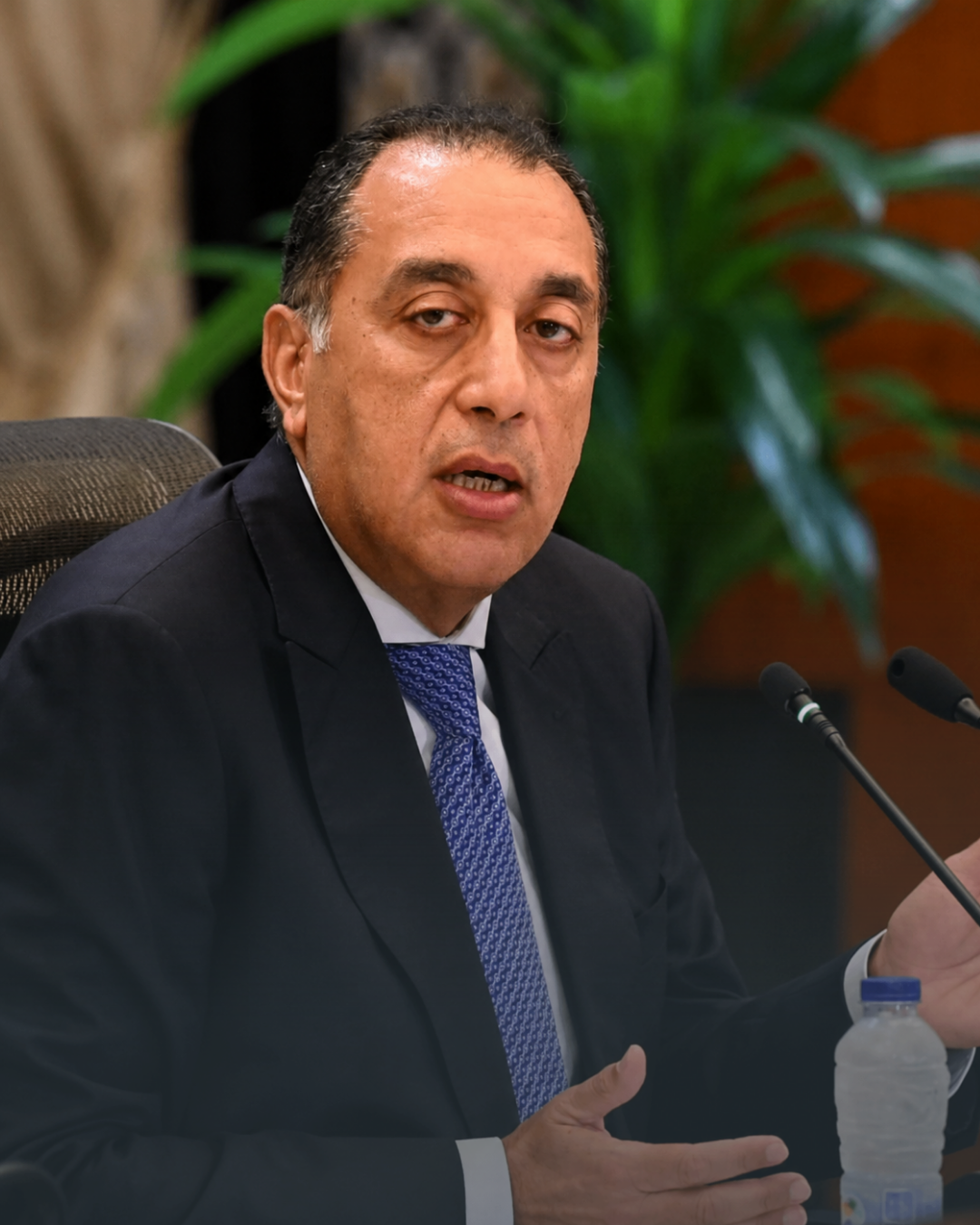
The Egyptian Cabinet, chaired by Prime Minister Mostafa Madbouly, approved the extension during its meeting on August 26, maintaining the provisions of Prime Ministerial Decree No. 982 of 2026 for another month.
Employees at the establishments and entities covered by the decree will therefore continue working remotely every Sunday throughout September, provided their roles can be performed away from the workplace without disrupting operations.
Remote Work Will Continue Every Sunday in September
The extension means the remote work system will remain in effect on September 6, 13, 20 and 27, 2026 for eligible employees.
The measure does not turn Sunday into an additional day off. Employees covered by the policy are expected to carry out their regular duties remotely rather than reporting physically to their workplaces.
The original decree requires establishments to implement the arrangement in a way that does not negatively affect their operations.
September will mark another consecutive month in which the government has extended the system after it was first introduced in April 2026. The policy was subsequently renewed through May, June, July and August before the latest extension was approved.
Who Is Covered by Egypt’s Sunday Remote Work Policy?
Prime Ministerial Decree No. 982 outlines several sectors whose employees are covered by the remote work system.
These include establishments working in communications and information technology, financial and accounting services, marketing, media and digital services, real estate services, as well as organizations providing remote training.
Certain NGOs, trade union headquarters, labor federations and employers’ organizations are also included.
The decree further allows remote work for administrative positions in other sectors when physical attendance is not necessary. Examples include employees working in administrative and office services, human resources, accounting and legal affairs or consultancy.
Not every employee within those sectors is automatically able to work remotely, however. Roles that require physical presence for operations, maintenance, technical support or other essential duties may continue to operate normally from the workplace.
Hospitals, Schools and Other Essential Sectors Excluded
A number of sectors are exempt from the general Sunday remote work requirement because their activities require continued in-person operations.
The original decree excludes employees as necessary in the healthcare, transportation, infrastructure, industrial and production sectors, as well as service-based activities.
Infrastructure exemptions include operations connected to areas such as electricity, drinking water, wastewater, petroleum and natural gas.
Non-governmental schools and universities are also among the educational establishments exempted from the general requirement.
Prime Minister Madbouly has similarly stressed that essential sectors including schools, universities, factories and hospitals are not subject to the arrangement in the same way as eligible office-based workplaces.
The banking sector has also maintained customer-facing operations, with remote work applying only to eligible departments that do not directly provide services to customers.
Why Did Egypt Introduce Sunday Remote Work?
Egypt introduced the one-day-a-week remote work system earlier in 2026 as part of a broader effort to rationalize energy consumption amid rising global energy prices and regional instability.
The government sought to reduce electricity use inside workplaces while also cutting some of the fuel consumption associated with millions of employees commuting to and from work.
The system initially took effect on April 5, 2026, under Decree No. 982.
It formed part of a wider package of energy-saving measures introduced as geopolitical tensions affected international energy markets and increased economic pressure on countries dependent on imported fuel.
Although some of the other measures introduced at the time have since been relaxed, the Sunday remote work system has repeatedly been extended.
Could Egypt Introduce More Remote Work Days?
The government has previously left open the possibility of expanding the system if economic and regional conditions require additional measures.
Madbouly said earlier this year that authorities could consider introducing another remote work day depending on developments in the regional situation and its economic consequences.
For now, however, the latest Cabinet decision maintains the existing arrangement of one remote work day per week on Sundays rather than expanding it.
Sunday Remote Work Continues Into a Sixth Month
The September extension shows that what initially began as a temporary energy-saving measure has now become a longer-running feature of Egypt’s working calendar for employees covered by the decree.
Eligible employees will continue working from home every Sunday throughout September, while essential services and jobs requiring physical attendance will operate normally.
The Cabinet has not yet announced whether the policy will continue into October 2026, meaning any further extension will depend on a new government decision.
For now, September 6, 13, 20 and 27 will remain remote working Sundays for employees and establishments covered by Prime Ministerial Decree No. 982 of 2026.