Egypt is recording more than 5,400 births every day on average, highlighting the country’s continued population growth despite a broader decline in fertility rates over recent years.
According to the Central Agency for Public Mobilization and Statistics (CAPMAS), Egypt registered approximately 1.452 million births between August 16, 2025, and May 9, 2026, averaging 5,439 births per day.
That translates to 227 newborns every hour, nearly four births every minute, and one baby approximately every 15.9 seconds.
The figures were released as Egypt’s population reached 109 million in May 2026, drawing renewed attention to the country’s demographic changes and their implications for healthcare, education, housing, and economic development.
Egypt Records 5,439 Births Per Day, According To CAPMAS
Egypt’s latest widely reported daily birth figures were released by CAPMAS on May 9, 2026, when the country’s domestic population reached 109 million.
The agency revealed that approximately 1.452 million births had been registered during the preceding 267 days.
That period began on August 16, 2025, when Egypt’s population reached 108 million.
The resulting average of 5,439 births per day reflects the number of registered births during that specific period rather than a fixed daily count.
CAPMAS also reported that the average had increased compared with the previous interval of population growth.
During the period in which Egypt’s population rose from 107 million to 108 million, the country recorded an average of 5,165 births per day.
The latest reported average therefore represents an increase of approximately 274 daily births between the two periods.
However, the figures should be viewed within the broader context of Egypt’s demographic trends, particularly as fertility rates have continued to decline over the past decade.
One Baby Every 15.9 Seconds: Egypt’s Birth Statistics Explained
The scale of Egypt’s daily births becomes clearer when the figures are broken down into smaller time intervals.
According to CAPMAS, the average recorded during the 267-day reporting period was equivalent to:
5,439 births every day.
227 births every hour.
Approximately 3.8 births every minute.
One newborn every 15.9 seconds.
These figures illustrate the scale of the country’s registered births and the demand for maternity and newborn healthcare services.
However, they represent statistical averages rather than the number of babies born at identical intervals throughout each day.
Birth registrations can fluctuate between days, months, and seasons.
The daily average also differs from Egypt’s overall population growth, which accounts for both births and deaths.
During the same period, CAPMAS recorded an average of approximately 1,694 deaths each day.
As a result, the country’s population increased by approximately one million people over the 267-day period.
The figures demonstrate how births continue to contribute to population growth even as Egypt moves toward lower fertility levels.
[Image: CAPMAS population statistics infographic showing the average number of births per day, hour, and minute.]
Egypt’s Population Reaches More Than 109 Million In 2026
The daily birth figures were released alongside another significant demographic milestone.
On May 9, 2026, Egypt’s population officially reached 109 million people living inside the country, according to CAPMAS.
The milestone came just 267 days after the population reached 108 million in August 2025.
By comparison, the previous increase of one million people had taken 287 days.
The shorter interval indicates that the pace of net population growth increased during the latest reporting period.
Egypt’s population continued expanding in the following months.
On September 19, 2026, CAPMAS recorded a domestic population of 109,540,965 people, meaning the country had added more than half a million residents since reaching the 109-million milestone in May.
These figures refer specifically to residents living inside Egypt and do not include Egyptians living abroad.
The continued increase reflects the country’s substantial population base, even as the average number of children born per woman has declined.
For a country with more than 109 million residents, relatively small changes in birth and death rates can translate into significant changes in the total population.
Why Egypt’s Fertility Rate Is Falling Despite Thousands Of Daily Births
Although Egypt continues recording thousands of births each day, the country’s long-term fertility trend tells a different story.
According to preliminary findings from the 2025 Egypt Family Health Survey, presented in September 2026, the total fertility rate declined to 2.33 children per woman.
That represents a substantial decrease from 2.85 children per woman in 2021 and 3.5 children per woman in 2014.
The total fertility rate measures the average number of children a woman would have over her lifetime if current age-specific fertility patterns remained unchanged.
It is different from the number of babies born on any particular day.
This distinction helps explain why Egypt can report a higher average number of daily births during one period while maintaining a longer-term decline in fertility.
Daily birth totals depend partly on how many people are entering their reproductive years, while fertility rates measure childbearing patterns relative to the population.
Egypt’s large population means that even lower fertility rates can still produce substantial numbers of births.
The latest survey figures bring Egypt closer to the replacement-level fertility rate of approximately 2.1 children per woman, a benchmark at which a population would eventually replace itself from one generation to the next under standard demographic assumptions.
However, reaching that level would not immediately stop population growth, particularly while large generations of young people continue reaching adulthood.
[Image: Chart illustrating the decline in Egypt’s fertility rate between 2014, 2021, and 2025.]
Which Egyptian Governorates Record The Highest Birth Rates?
Egypt’s birth rates vary considerably between governorates, reflecting differences in population characteristics and family patterns.
According to CAPMAS’s preliminary registered birth data for 2025, Assiut recorded the highest crude birth rate in the country, followed by several other Upper Egyptian governorates.
The five governorates with the highest reported rates were:
Assiut: 22.8 births per 1,000 residents.
Sohag: 22.6 births per 1,000 residents.
Qena: 22.3 births per 1,000 residents.
Minya: 22.0 births per 1,000 residents.
Beni Suef: 20.6 births per 1,000 residents.
The figures highlight the relatively high birth rates recorded across parts of Upper Egypt.
By contrast, several governorates in the Nile Delta and coastal regions reported considerably lower rates.
Port Said recorded the lowest crude birth rate at 11.4 births per 1,000 residents, followed by Dakahlia at 14.4 and Damietta at 14.5.
Gharbia and Suez each recorded approximately 14.8 births per 1,000 residents.
These differences are important for understanding Egypt’s demographic landscape.
Population growth is not distributed evenly across the country, and different governorates face varying demands for public services.
For policymakers, identifying areas with higher birth rates can help guide investment in healthcare, education, housing, and family support services.
Egypt’s Annual Births Have Declined Over The Past Decade
Looking beyond daily averages, Egypt’s longer-term birth statistics show a notable decline.
According to CAPMAS, the country recorded approximately 2.72 million births in 2014.
By 2024, that number had fallen to approximately 1.968 million births, representing a decline of around 27.6%.
The figures reflect changes in childbearing patterns over the decade.
Egypt’s crude birth rate has also declined.
Preliminary registered birth data indicated that the rate fell from 18.5 births per 1,000 people in 2024 to 18.1 in 2025.
Meanwhile, the results of the 2025 Egypt Family Health Survey indicated that the average number of children per woman had continued falling.
Together, these indicators point toward a sustained demographic transition.
However, the increase in daily births during the August 2025–May 2026 reporting period shows that short-term fluctuations can still occur within a broader downward trend.
The distinction between annual birth totals, daily averages, and fertility rates is essential when evaluating the country’s population development.
Maternal Healthcare Shows Progress In Egypt’s Latest Survey
The September 2026 release of Egypt’s Family Health Survey also provided new information about maternal healthcare and childbirth.
According to CAPMAS, 98% of births were attended by qualified healthcare professionals, while 96% took place inside healthcare facilities.
The survey also found that 92.4% of women received regular antenatal care, reflecting improvements in access to medical services during pregnancy.
These indicators suggest that a substantial majority of births now take place with professional medical support.
Nevertheless, the survey identified several continuing challenges.
One of the most notable findings concerned Caesarean deliveries.
The national Caesarean section rate increased from 72.1% in 2021 to 79.3% in 2025.
The figure drew attention to childbirth practices and the importance of appropriate maternal healthcare.
The survey also identified unmet demand for family planning services and differences in access to reproductive healthcare across regions.
The findings demonstrate that improving maternal and child health involves more than managing population growth.
It also requires ensuring that families have access to appropriate healthcare, reliable information, and reproductive health services.
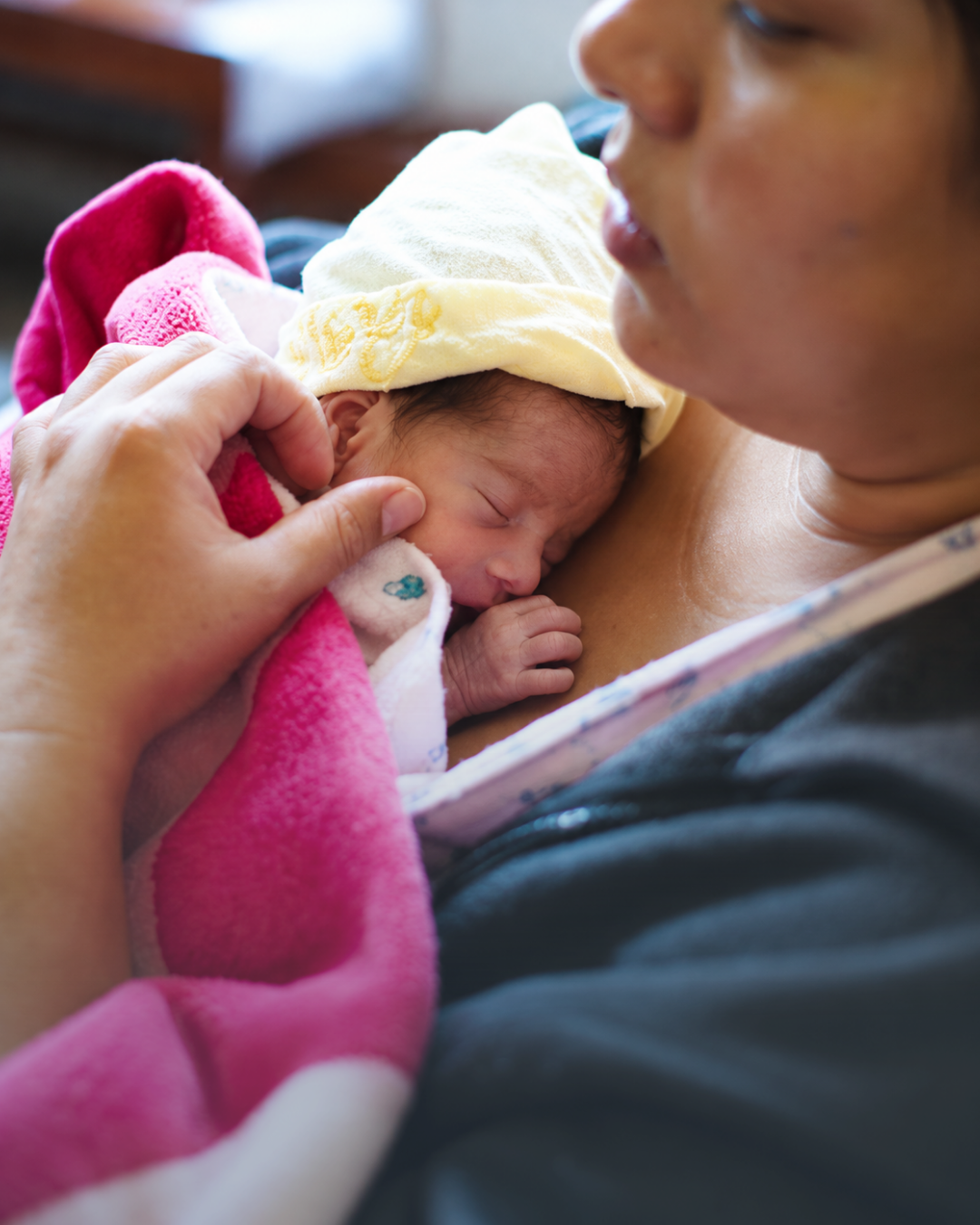
[Image: Egyptian maternity hospital or maternal healthcare services.]
How Population Growth Affects Education, Housing And Employment
Egypt’s demographic changes have significant implications for public services and economic planning.
With more than 109 million residents, the country must continue accommodating demand for essential infrastructure and services.
Education represents one of the most important areas affected by population growth.
Each new generation requires access to schools, qualified teachers, classrooms, and educational resources.
Healthcare systems must also respond to the needs of a growing population, from maternity services and vaccinations to pediatric care and long-term medical support.
Housing and transportation represent additional challenges.
As the population expands, urban areas face continued demand for residential development, transportation networks, utilities, and public facilities.
Employment is another central consideration.
Egypt’s relatively young population creates a substantial future workforce, but realizing its economic potential depends on generating sufficient employment opportunities and developing relevant skills.
Health and Population Minister Khaled Abdel Ghaffar has emphasized that population growth can become an economic advantage when accompanied by adequate investment in education, employment, housing, and healthcare.
This approach reflects the concept of a demographic dividend, in which favorable population structures can contribute to economic growth when supported by appropriate policies.
Rather than viewing population growth solely through the number of births, the broader discussion also involves the opportunities and resources available to future generations.
Egypt Continues Efforts To Reduce Fertility Rates
Egypt has introduced several initiatives aimed at improving population indicators and expanding access to family planning services.
The government’s National Population and Development Strategy 2023–2030 provides a framework for addressing demographic challenges while improving public health and social development.
The Ministry of Health and Population has also emphasized the expansion of reproductive healthcare services and public awareness programs.
In June 2026, Prime Minister Mostafa Madbouly reviewed progress under the country’s population strategy.
The government highlighted efforts to improve family planning services, expand healthcare training, and direct resources toward areas facing greater demographic pressures.
Officials also reported a reduction in the number of areas classified as experiencing the highest population-related challenges.
The 2025 Family Health Survey provides an additional source of information for evaluating these policies.
Its findings show that fertility rates have declined, although challenges remain concerning access to family planning and differences between governorates.
The government’s stated goal is to bring fertility closer to replacement level while improving access to healthcare, education, and economic opportunities.
Achieving those objectives will require continued investment in public services alongside efforts to support informed family planning decisions.
What Egypt’s Birth Statistics Reveal About The Future
Egypt’s average of 5,439 births per day highlights the continuing scale of population growth in one of the region’s most populous countries.
At the same time, the latest demographic surveys show that childbearing patterns have changed significantly over the past decade.
The country’s fertility rate has fallen from 3.5 children per woman in 2014 to 2.33 in 2025, even as the total population continues to rise.
These two trends are not contradictory.
They reflect a demographic transition in which families are having fewer children on average, while a large population continues generating substantial numbers of births.
For Egypt, the challenge extends beyond reducing fertility rates.
The country’s long-term development will also depend on improving living standards, expanding access to essential services, and creating opportunities for its growing population.
As new demographic data becomes available, these indicators will remain central to understanding Egypt’s economic and social development.
Egypt’s Population Continues To Grow As Fertility Declines
Egypt’s daily birth figures reflect a country undergoing significant demographic change.
The average of more than 5,400 births each day demonstrates the scale of the population, while declining fertility rates suggest that family patterns are gradually changing.
With Egypt’s domestic population exceeding 109.5 million in September 2026, demand for education, healthcare, housing, and employment remains substantial.
The latest CAPMAS statistics underline the importance of examining population growth alongside broader measures of economic opportunity and quality of life.
As Egypt continues implementing its population and development strategy, the country’s demographic future will depend not only on how many children are born but also on the opportunities available to them as they grow.