Egypt is moving forward with a major $650 million renewable energy investment in Qena, with the Dandara solar project securing financing for its first phase and beginning construction as part of the country’s expanding clean energy strategy.
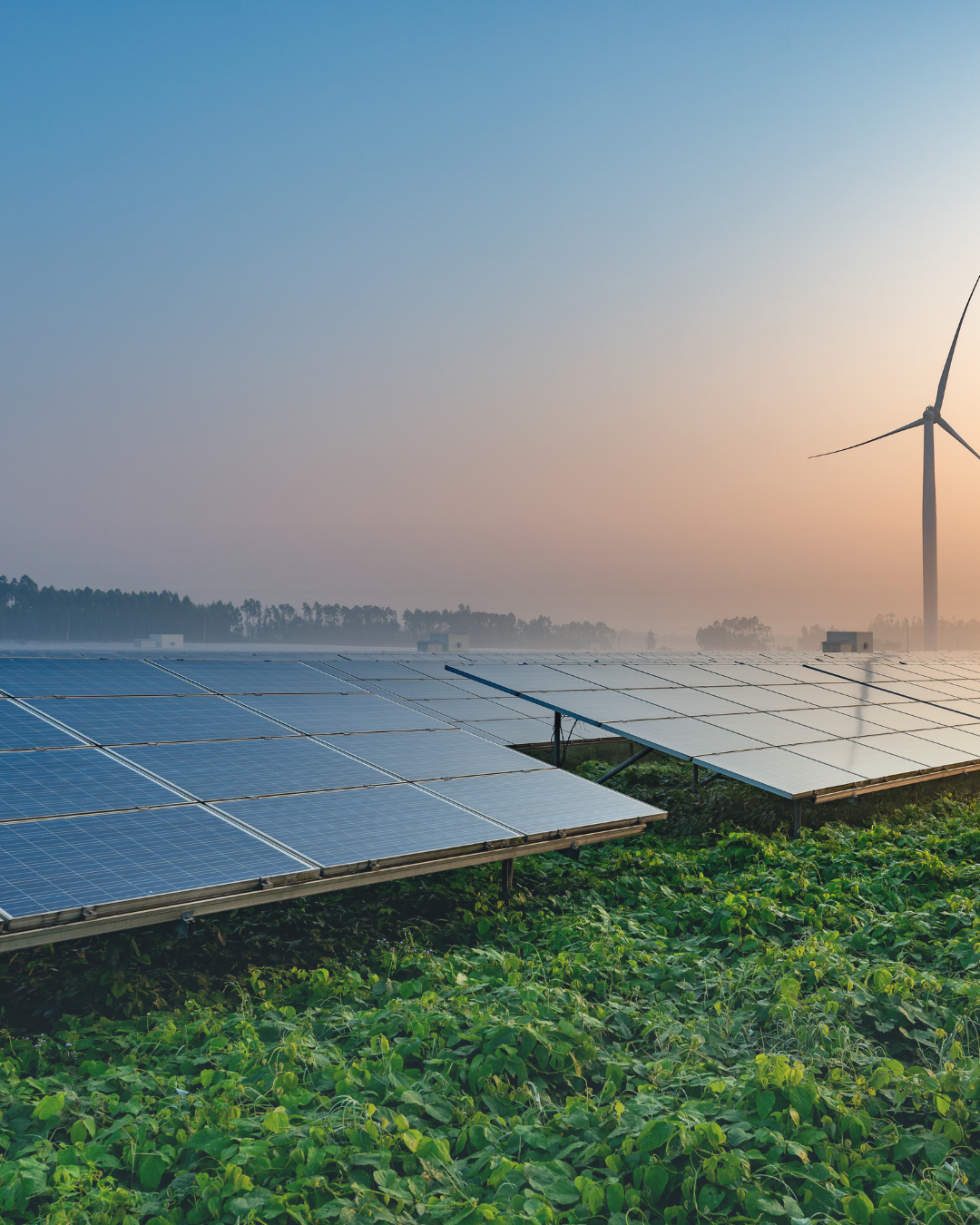
Located in Nagaa Hammadi, Qena Governorate, the project will feature approximately 1 gigawatt (GW) of solar power capacity and 200 megawatt-hours (MWh) of battery energy storage.
Developed by Norwegian renewable energy company Scatec, the facility is designed to supply approximately one-third of the electricity requirements of Egypt Aluminium, one of the country’s largest industrial energy consumers.
On October 26, 2026, Prime Minister Mostafa Madbouly witnessed the signing of financing and implementation agreements involving Scatec and three international development banks.
Two days later, Scatec announced that it had secured $217 million in financing for the project’s first phase, marking an important step toward bringing the development into operation.
The investment is expected to support Egypt’s renewable energy ambitions, reduce industrial carbon emissions, and strengthen the international competitiveness of Egyptian aluminium production.
Egypt’s $650 Million Dandara Solar Project Moves Forward In Qena
The Egyptian government has announced a major development in the implementation of the Dandara solar project, a large-scale renewable energy facility planned for Nagaa Hammadi in Upper Egypt.
The project represents an estimated $650 million investment, combining solar electricity generation with battery storage technology.
Prime Minister Mostafa Madbouly attended the signing ceremony on October 26 at the government headquarters in the New Administrative Capital.
The ceremony was also attended by Minister of Electricity and Renewable Energy Mahmoud Esmat.
The agreements brought together Norwegian developer Scatec and three major international financial institutions: the European Investment Bank, the European Bank for Reconstruction and Development, and the African Development Bank.
Additional agreements addressed connecting the facility to Egypt’s national electricity grid and the participation of the National Bank of Egypt in the project company.
The signings represent an important milestone in preparing the facility for full implementation.
However, the $650 million figure refers to the estimated investment required for the overall project rather than a single loan already disbursed.
A subsequent announcement from Scatec confirmed that financing for the first phase had been secured and construction was beginning.
Dandara Solar Project To Generate 1 Gigawatt Of Renewable Electricity
The Dandara solar project is designed to become a major contributor to Egypt’s growing renewable electricity capacity.
According to the Egyptian government’s announcement, the completed development will have a total solar generation capacity of approximately 1,000 megawatts, equivalent to one gigawatt.
The facility will also incorporate a battery energy storage system with a total capacity of 200 megawatt-hours.
Combining solar generation with battery storage is an increasingly important development in renewable energy infrastructure.
Solar panels generate electricity when sufficient sunlight is available, but their output varies throughout the day.
Battery systems can store electricity generated during periods of stronger solar production and release it when needed.
This technology helps improve the flexibility of renewable electricity supply and reduces some of the challenges associated with relying on sunlight alone.
For large industrial consumers, access to renewable energy supported by battery storage can contribute to more predictable electricity supply arrangements.
The Dandara development will be constructed in two phases, allowing generating capacity and storage infrastructure to be introduced gradually.
Although the government describes the completed project as a 1GW facility, technical documentation also refers to approximately 1.1GW of solar photovoltaic peak capacity.
The figures reflect different methods of expressing the plant’s electrical capacity rather than two separate projects.
The Project Will Be Developed In Two Phases
The Egyptian government has confirmed that the Dandara solar project will be implemented in two stages.
Each phase is planned to contribute approximately 500 megawatts of solar generation capacity and 100 megawatt-hours of battery storage.
First Phase: Solar Power And Battery Storage
The first phase will establish the initial solar power facility and its associated battery energy storage system.
Scatec’s October 28 announcement describes this stage as a 569-megawatt-peak solar plant with 100MWh of battery storage.
The 569MWp figure refers to the solar panels’ rated peak capacity, while earlier government announcements describe the phase as approximately 500MW.
The initial phase will provide renewable electricity to Egypt Aluminium under a long-term power purchase agreement.
Scatec confirmed that construction was beginning following the completion of the first-phase loan agreements.
The company is targeting commercial operation during the first half of 2028.
Second Phase: Expanding The Project’s Capacity
The second phase is expected to add another approximately 500MW of solar generation and 100MWh of battery storage.
Together, the two phases will deliver the project’s announced total capacity of approximately 1GW of solar power and 200MWh of storage.
Scatec expects construction of the second phase to begin during the first half of 2027.
However, the developer has not confirmed a final commercial operation date for the entire two-phase development.
The schedule will depend on financing, construction progress, and the completion of the necessary grid infrastructure.
Scatec Secures $217 Million To Begin The First Phase
A major development followed the government’s October 26 signing ceremony.
On October 28, 2026, Scatec confirmed that it had signed loan agreements securing $217 million for the first phase of the Dandara solar project.
The financing is being provided by three development finance institutions:
European Investment Bank (EIB)
European Bank for Reconstruction and Development (EBRD)
African Development Bank (AfDB)
According to Scatec, the $217 million financing package represents approximately 80% of the first phase’s estimated $271 million capital expenditure.
The remaining investment will be supported through equity and other financing arrangements.
The company has also signed a partnership agreement with the National Bank of Egypt.
Under that arrangement, the Egyptian bank will acquire a 20% ownership stake in the project.
Scatec reported that its own ownership interest stood at approximately 56% following the recent partnership and investment arrangements.
The financing represents an important step toward translating the project’s previously announced plans into construction activity.
However, the agreement does not mean that the entire $650 million investment required for both phases has been fully financed.
The remaining development will require the completion of its own financial and implementation arrangements.
European Investment Bank Provides Up To $90 Million
The European Investment Bank confirmed on October 29 that it would provide up to $90 million to support the first phase of the Dandara solar project.
The financing is backed by the European Fund for Sustainable Development Plus, an initiative supporting investment in sustainable development.
According to the EIB, the facility will help expand renewable electricity production while supporting cleaner industrial activity in Egypt.
The first phase will combine the 569MWp solar photovoltaic installation with a 100MWh battery energy storage system.
The EIB expects the facility to produce approximately 1,500 gigawatt-hours of electricity during its first year of operation, based on the bank’s estimates.
The investment forms part of wider cooperation between Egypt and European financial institutions in renewable energy infrastructure.
It also reflects the growing involvement of development banks in projects intended to reduce industrial emissions and support economic activity.
The African Development Bank previously approved financing of up to $66 million for the first phase in July 2026.
Meanwhile, the EBRD is participating in the project’s financing and has published information about its anticipated environmental and economic benefits.
Together, these institutions are supporting the development of renewable energy infrastructure intended to serve a major industrial consumer.
Dandara Solar Project To Supply One-Third Of Egypt Aluminium’s Electricity
One of the most important features of the Dandara solar project is its connection to Egypt’s aluminium industry.
Rather than being developed exclusively to supply electricity to residential consumers, the project has been designed around the requirements of Egypt Aluminium, also known as EgyptAlum.
The company operates one of Egypt’s largest industrial facilities in Nagaa Hammadi and is a major consumer of electricity.
Aluminium production requires substantial amounts of electrical energy, particularly during the smelting process.
This makes the source of electricity an important factor in the industry’s overall environmental impact.
According to the Egyptian government, the completed Dandara solar project is expected to supply approximately one-third of Egypt Aluminium’s electricity requirements.
The arrangement will help the company integrate renewable energy into its production activities.
It could also reduce the amount of electricity that would otherwise need to be generated from conventional sources.
However, the project will not eliminate Egypt Aluminium’s need for other electricity supplies.
The company will continue to require additional power to meet its remaining industrial demand.
The renewable electricity arrangement represents a substantial contribution toward reducing the carbon intensity of its production rather than a complete transition to solar energy.
Egypt Aluminium Signs A 25-Year Renewable Electricity Agreement
The relationship between Scatec and Egypt Aluminium began before the latest financing announcement.
On March 13, 2025, Scatec announced that it had signed a 25-year power purchase agreement with Egypt Aluminium.
Under the agreement, the Norwegian developer will supply renewable electricity to the industrial company over an extended period.
The contract is denominated in US dollars and supported by a sovereign guarantee.
A power purchase agreement establishes the commercial terms under which electricity generated by a project is sold to a designated buyer.
For the developer, a long-term agreement can provide greater certainty about future revenue.
For the industrial buyer, it can establish a more predictable framework for obtaining electricity.
In the case of Dandara, the arrangement is particularly significant because it directly connects a large renewable energy investment with an energy-intensive industrial operation.
The Egyptian Electricity Transmission Company will also play an important role in the arrangement through the national electricity grid.
A separate agreement signed in October 2026 addresses the project’s grid connection and the infrastructure needed to transmit electricity.
These arrangements form part of the technical and commercial framework required before the facility can begin supplying power.
Dandara Solar Project Expected To Reduce Carbon Emissions
The environmental benefits of the Dandara development are central to its objectives.
According to Scatec’s October 28 announcement, the first phase is projected to produce approximately 1.4 terawatt-hours of clean electricity annually.
The developer estimates that the resulting electricity supply could avoid more than 550,000 tonnes of carbon dioxide emissions each year.
These figures are projections based on the planned facility’s expected performance.
The actual environmental impact will depend on electricity production, operational conditions, and the conventional electricity sources displaced by the project.
The reduction is particularly relevant to aluminium manufacturing.
Producing aluminium requires significant electricity consumption, making the emissions associated with electricity generation an important part of the industry’s carbon footprint.
Replacing a portion of conventional electricity with solar power can help reduce the emissions associated with producing each tonne of aluminium.
The investment could therefore contribute to cleaner industrial production while supporting Egypt’s wider efforts to reduce emissions from its energy sector.
How The Project Could Support Egyptian Aluminium Exports
The Dandara solar project is not only an electricity investment.
It is also intended to strengthen the international competitiveness of Egyptian aluminium products.
According to Scatec, approximately 60% of Egypt Aluminium’s production is exported to Europe.
This makes European environmental regulations particularly relevant to the company’s operations.
One important development is the European Union’s Carbon Border Adjustment Mechanism, commonly known as CBAM.
The mechanism introduces carbon-related obligations for selected imported products, including aluminium.
Its definitive implementation phase began in 2026.
The system is intended to address differences in carbon costs between products manufactured within the European Union and certain goods imported from other markets.
For producers exporting to Europe, reducing the carbon footprint of manufacturing can become increasingly important.
By supplying renewable electricity to Egypt Aluminium, the Dandara project is expected to help reduce the emissions associated with the company’s production.
This could support its efforts to comply with evolving environmental requirements and maintain access to international markets.
However, the project’s impact on export competitiveness will depend on several factors, including regulatory requirements, production costs, emissions accounting, and market conditions.
The investment does not automatically guarantee lower export costs or exemption from environmental obligations.
Why Battery Storage Is Important For Egypt’s Solar Energy Expansion
Battery storage is becoming an increasingly important component of Egypt’s renewable energy infrastructure.
Solar power generation depends on sunlight, which means electricity production varies throughout the day and falls when the sun is no longer available.
Battery systems can store electricity during periods of high generation and release it later.
For the Dandara project, the planned 200MWh storage system will provide additional flexibility in managing the solar facility’s electricity output.
The technology can help shift some electricity from periods of stronger solar generation to times when additional supply is needed.
It can also support the integration of renewable power into the wider electricity system.
However, 200MWh describes the amount of energy the battery system can store, not how much electricity the solar plant generates every hour.
The actual duration for which the batteries can supply power depends on their discharge rate and operating conditions.
Battery storage does not make solar generation continuous or unlimited.
Instead, it helps manage the differences between when renewable electricity is produced and when it is required.
As Egypt expands solar and wind capacity, investment in electricity storage will become increasingly important for supporting grid flexibility and reliability.
Scatec Expands Its Renewable Energy Investments In Egypt
The Dandara project builds on Scatec’s existing involvement in Egypt’s renewable energy sector.
The Norwegian company develops, builds, and operates renewable energy facilities in several international markets.
Egypt has become an important part of its investment portfolio.
One of its most significant recent developments is the Obelisk solar and battery storage project, also located in Nagaa Hammadi.
Obelisk combines approximately 1.1GW of solar generation capacity with a 200MWh battery energy storage system.
Unlike Dandara, which is designed to supply Egypt Aluminium, Obelisk sells electricity to the Egyptian Electricity Transmission Company.
Scatec announced the completion of Obelisk’s second and final phase in August 2026, bringing the project into full commercial operation.
The company described Obelisk as Africa’s largest hybrid solar and battery installation at the time.
Dandara will build on that experience by applying a similar combination of solar generation and energy storage to industrial electricity consumption.
The two projects have different commercial arrangements but share the objective of increasing renewable electricity production in Egypt.
Their development also highlights Upper Egypt’s growing importance as a location for large-scale renewable energy investment.
Egypt Targets 45% Renewable Energy By 2028
The Dandara solar project forms part of Egypt’s broader strategy to increase renewable electricity generation and reduce dependence on fossil fuels.
Egypt previously established a target for renewable sources to account for at least 42% of its electricity generation by 2030.
The government has since announced a more ambitious objective.
During Egypt Forum 2026, Electricity and Renewable Energy Minister Mahmoud Esmat said the country is targeting a 45% renewable energy share by 2028.
This represents an acceleration of Egypt’s renewable energy ambitions.
The strategy includes expanding solar and wind projects, developing battery storage infrastructure, and strengthening the national electricity grid.
The government is also working with private companies and international financial institutions to attract investment into the energy sector.
Increasing renewable electricity production could help diversify Egypt’s energy supply.
It could also reduce reliance on natural gas for electricity generation, potentially limiting exposure to fuel price volatility and import costs.
However, achieving these targets will require more than constructing generating facilities.
New transmission infrastructure, storage systems, financing, and coordination with electricity consumers will also be essential.
Projects such as Dandara are intended to contribute to that transition.
What Does The Investment Mean For Qena And Upper Egypt?
The Dandara development represents another substantial energy investment in Qena Governorate.
Located in Nagaa Hammadi, the project will connect renewable electricity generation with an established industrial area.
Its construction and operation may create opportunities for engineering companies, equipment suppliers, contractors, and specialized technical workers.
The project could also support the development of skills associated with solar power generation and energy storage.
According to the EBRD’s project documentation, the investment includes plans for technical training initiatives targeting skills needed in the renewable energy sector.
These initiatives are intended to improve employment opportunities for local communities, including young people and women.
However, the developer has not established a publicly verified final figure for the number of permanent jobs expected from the completed project.
Construction employment should also be distinguished from long-term operational positions.
The project’s broader economic impact will depend on its implementation, local procurement arrangements, workforce participation, and eventual operation.
For Qena, the development reflects the growing role of Upper Egypt in large-scale renewable energy and industrial infrastructure investment.
When Will The Dandara Solar Project Be Completed?
Although financing and construction arrangements have advanced, the entire Dandara solar project is not yet operational.
Scatec confirmed on October 28 that construction of the first phase was beginning.
The developer is targeting the first half of 2028 for the commencement of commercial operations for that phase.
Construction of the second phase is expected to begin during the first half of 2027.
The company has not announced a confirmed completion date for the entire two-phase project.
The eventual schedule will depend on construction progress, financing arrangements, grid connection work, and other implementation requirements.
For now, the latest financing agreement represents an important transition from project planning toward physical construction.
The development is expected to progress over the coming years before delivering its full planned generating capacity.
Egypt’s $650 Million Dandara Solar Project Marks Another Step Toward Cleaner Energy
Egypt’s $650 million Dandara solar project represents a major investment in renewable electricity, battery storage, and cleaner industrial production.
With approximately 1GW of planned solar capacity and 200MWh of battery storage, the project is designed to provide around one-third of Egypt Aluminium’s electricity requirements.
The agreements announced on October 26, 2026, brought together Scatec, international development banks, and Egyptian institutions to advance the project’s implementation.
Scatec’s subsequent confirmation of $217 million in first-phase financing marked a further milestone, allowing construction to begin.
The project is also expected to contribute to lower industrial carbon emissions and help Egyptian aluminium producers respond to changing international environmental requirements.
Beyond its industrial benefits, Dandara supports Egypt’s efforts to diversify electricity generation and expand the contribution of renewable energy to the national power mix.
As construction progresses toward the first phase’s targeted commercial operation in 2028, the development will become an important example of how renewable electricity can be integrated into Egypt’s industrial sector.
For Qena and the wider Egyptian economy, the project represents another step toward linking investment, industrial development, and the country’s long-term energy transition.