Egyptian archaeologists have uncovered the complete burial of a young male horse at the ancient military fortress of Tell Al-Abqain in Beheira, offering new clues about military and everyday life in Egypt more than 3,000 years ago.
The discovery was made by an Egyptian archaeological mission working at the New Kingdom fortress on the western edge of the Nile Delta. The site formed part of Egypt’s defensive network and was strategically positioned to protect the country’s western frontier from attacks by Libyan groups.
Rare Horse Burial Found at Tell Al-Abqain
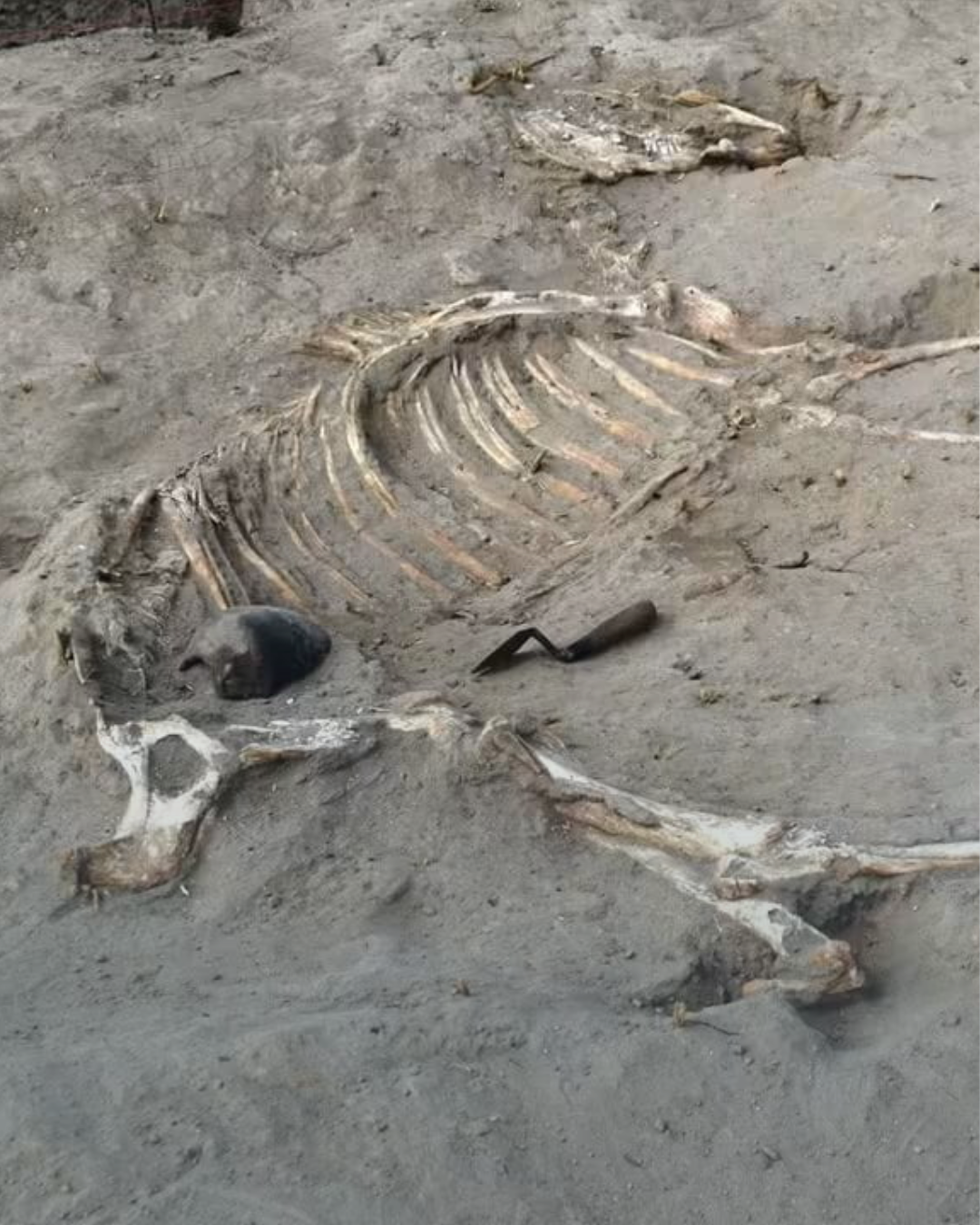
Among the excavation’s most striking finds was the intact burial of a young male horse.
Preliminary studies indicate that the animal belonged to a medium-sized type known for speed and agility. Archaeologists believe horses of this kind may have been used for military training, rapid movement or pulling war chariots during the New Kingdom.
The position of the horse’s body, the direction of its head and the careful arrangement of the burial suggest that it was deliberately interred and may have received an honorific burial, according to Egyptian antiquities officials. Because the military role remains an archaeological interpretation, describing it definitively as a “warhorse” goes slightly beyond what has yet been proven.
A few meters away, researchers also found cylindrical pieces made from alabaster and limestone that are believed to have formed part of a chariot harness, strengthening the possible connection between the horse and military activity at the fortress.
Ancient Fortress Reveals How Soldiers Lived
The excavation uncovered much more than the horse burial.
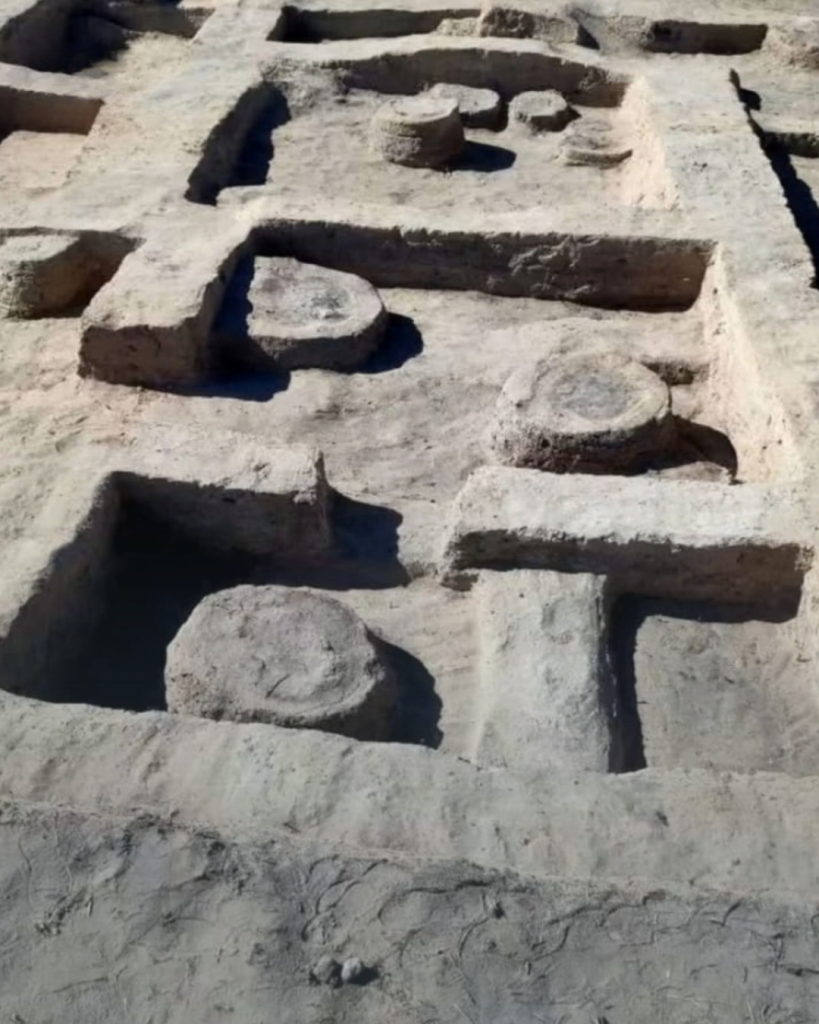
Archaeologists discovered a large mud-brick residential complex organized around planned streets. One of the main streets measures around four meters wide and connects with the fortress’s southern limestone entrance.
Rooms throughout the settlement contained grain silos, pottery ovens and large storage jars. Some of the jars still held carbonized wheat, providing direct evidence of how food was stored and managed for people living inside the fortress.
The discoveries suggest that Tell Al-Abqain was not simply a military outpost. It also functioned as an organized community where soldiers and other residents lived, prepared food, stored supplies and carried out everyday activities.
Inscriptions of Ramesses II and Merneptah Discovered
The mission also uncovered important royal inscriptions connected to two of ancient Egypt’s best-known New Kingdom pharaohs.
One limestone stela contains traces of a hieratic inscription dating to the reign of Merneptah, while another bears the birth name, throne name and Horus name of Ramesses II. Earlier excavations at the site had also uncovered three stone wells carrying titles of Ramesses II.
Another stela depicts a captive with his hands bound and body bent in submission. Archaeologists identified the figure as a prisoner associated with the Libyan Meshwesh based on his clothing, adding further evidence of the fortress’s defensive role along Egypt’s western frontier.
Scarabs, Amulets and Everyday Objects Uncovered
A wide collection of smaller artifacts was also found throughout the site.
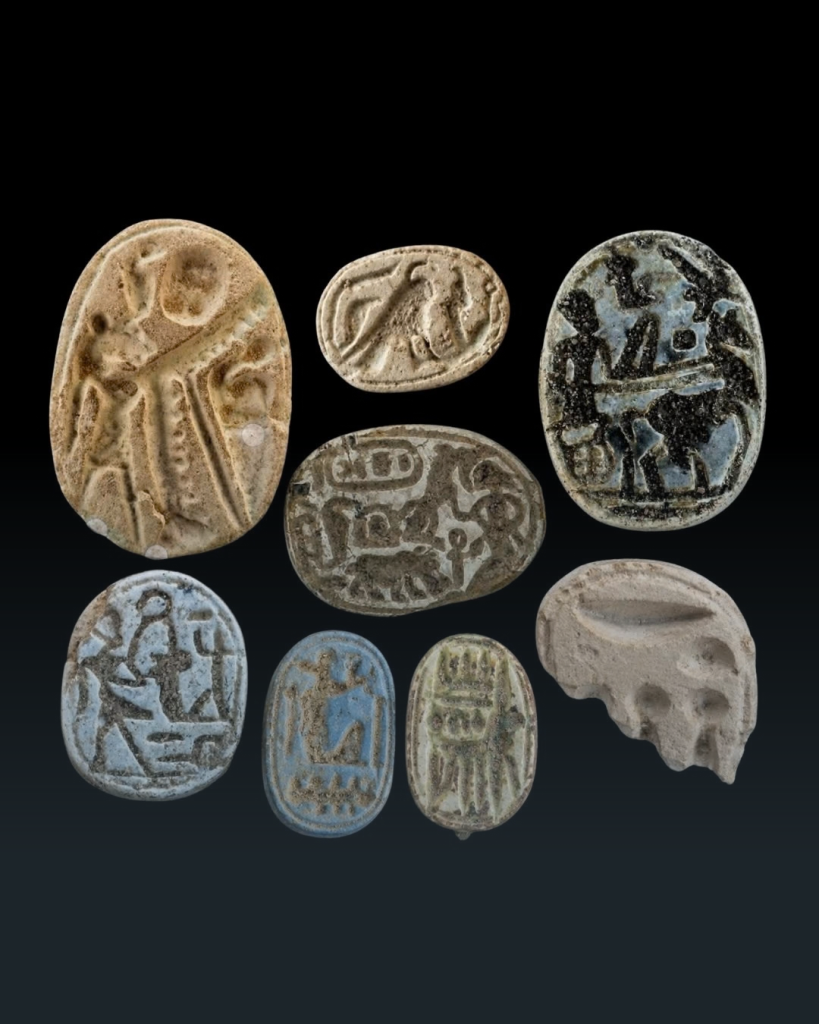
These include scarabs carrying the names of Ramesses II and Seti I, as well as references to deities including Amun, Sekhmet, Ptah and Seth. Archaeologists also recovered religious amulets connected with protection, fertility, renewal and strength.
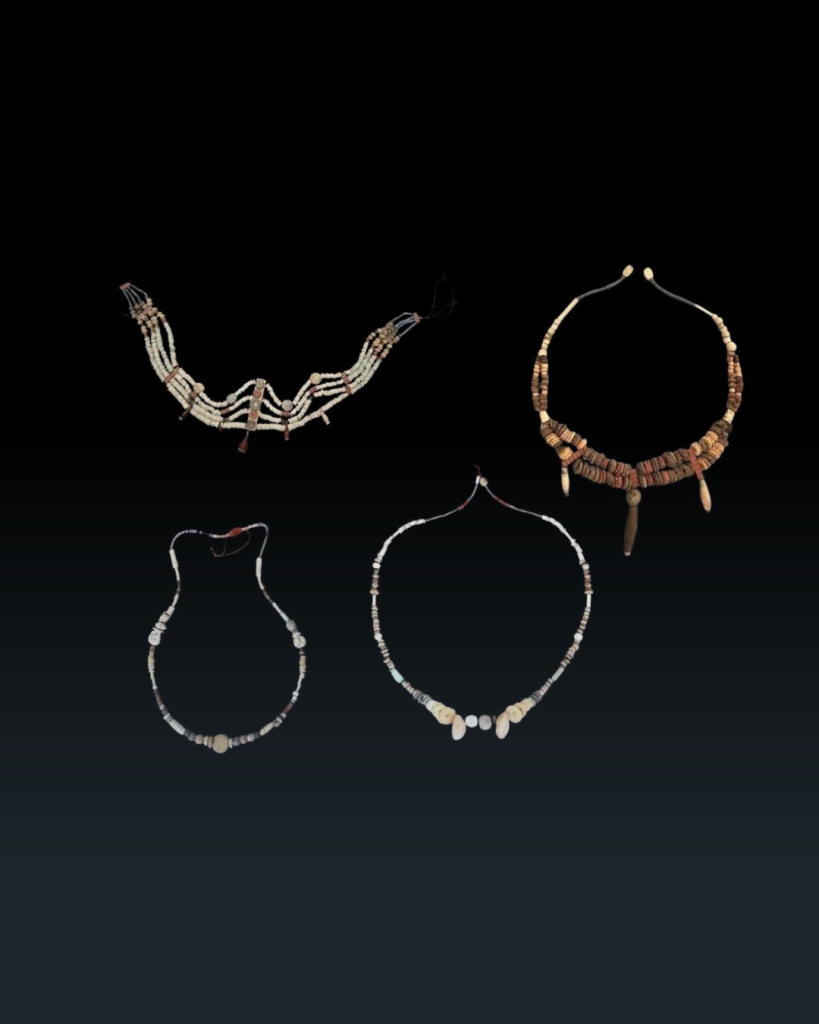
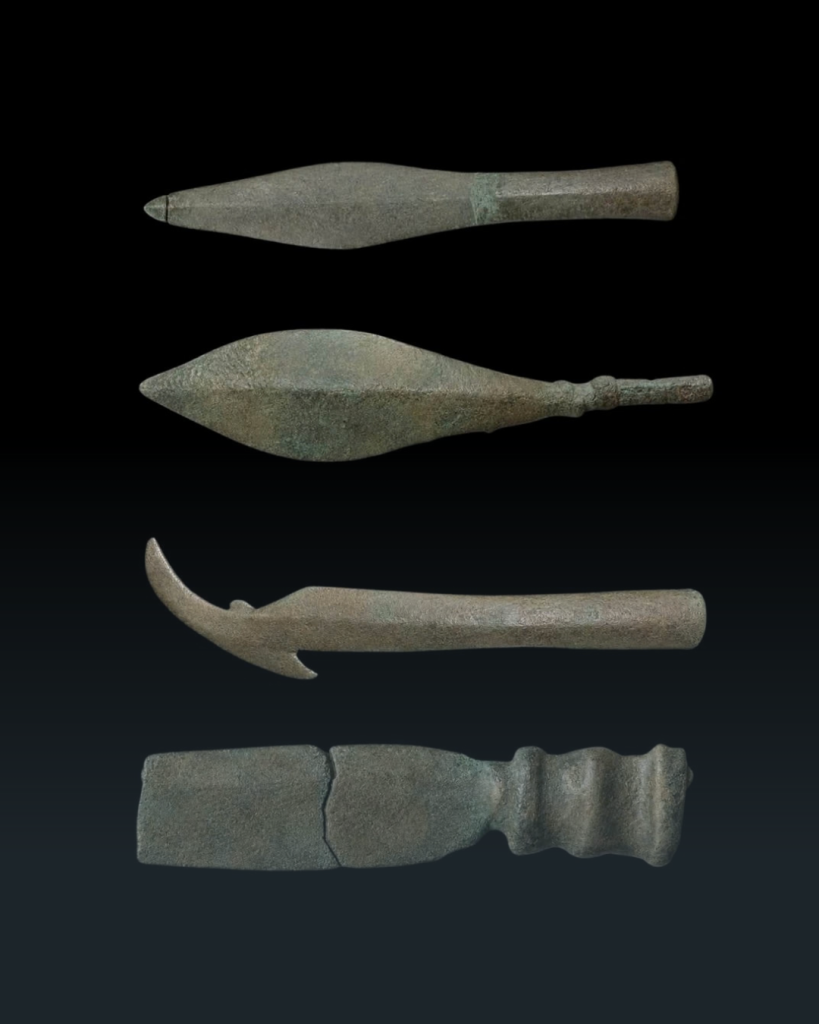
Pottery, jewelry, loom weights, grinding stones and other tools provide further details about the people who lived within the fortress and the daily activities that took place there.
Excavations Continue at Tell Al-Abqain
Tell Al-Abqain has already produced major archaeological discoveries in recent years. Earlier excavations revealed New Kingdom military barracks, storage areas, ovens and artifacts connected to Ramesses II, establishing the site as an important military center in the western Nile Delta.
The latest discoveries add another layer to that picture, showing that life within the fortress combined military operations with housing, food production, religious practices and potentially the ceremonial treatment of horses.
Excavation and documentation work at Tell Al-Abqain is continuing as archaeologists seek to uncover more about the fortress and its role in protecting ancient Egypt’s western borders.