Egypt in 1960 looked very different from the country we know today. Cairo’s trams were still a regular part of daily transportation, television had only just arrived, locally assembled cars were beginning to appear, and a few pounds could cover expenses that would sound almost impossible today.
Looking back at everyday prices offers more than simple nostalgia. It gives us a glimpse into how Egyptians lived, traveled, ate and spent their money more than six decades ago.
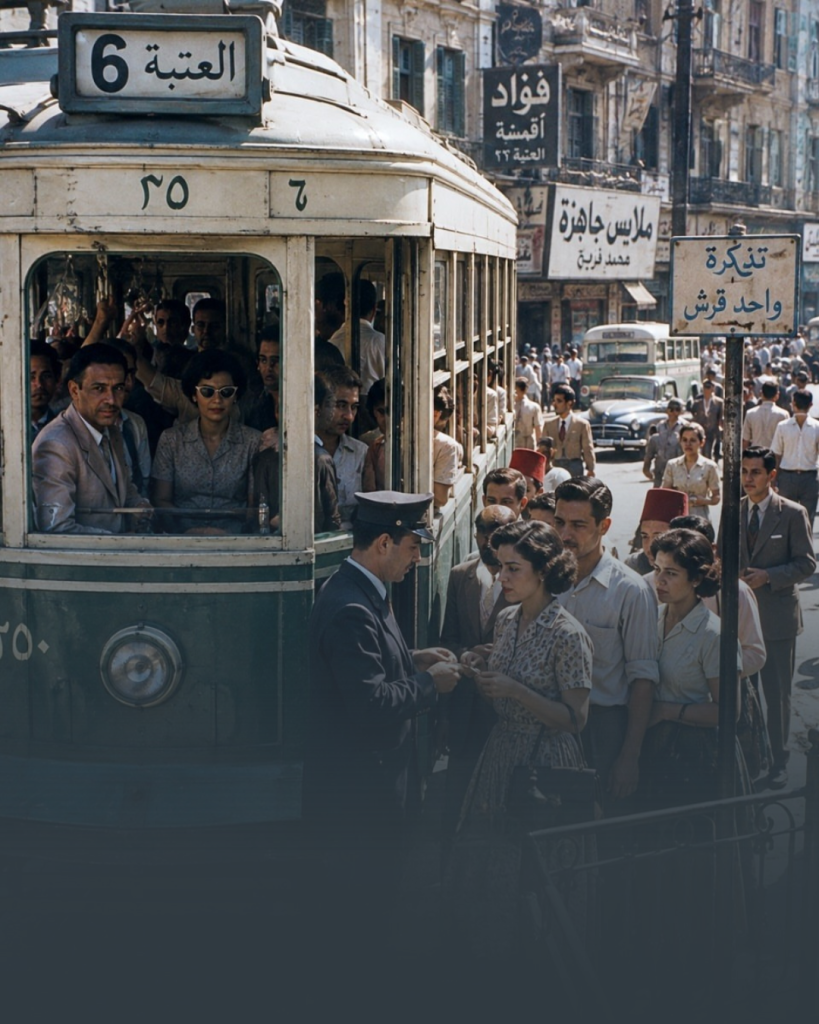
Tram Ticket – 1 piastre
Before Cairo’s Metro and modern ride-hailing apps, the tram was one of the city’s most familiar forms of transportation.
A tram journey could cost only a few milliemes or piastres depending on the route and class of ticket. For workers and students, trams were an affordable part of everyday life, linking neighborhoods across Cairo and Alexandria.
That low fare makes more sense when compared with salaries of the period, when even a single Egyptian pound represented a meaningful amount of spending power.
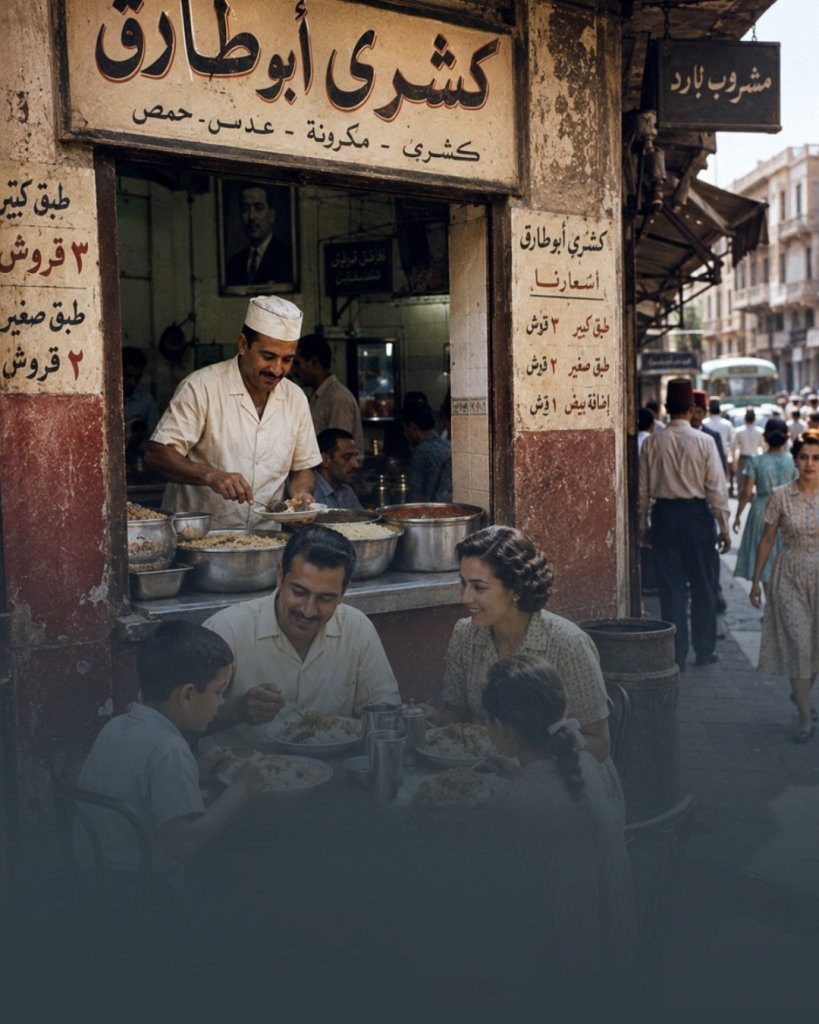
A Plate of Koshary – 3 Piastres
Koshary was already established as one of Egypt’s classic affordable meals by the mid-20th century.
A basic plate in the 1960 era could be bought for just a handful of piastres, depending on the restaurant and portion size. Its combination of rice, lentils, pasta and chickpeas made it filling while remaining accessible to working-class customers.
That same role has survived for generations: even as prices have changed dramatically, koshary remains closely associated with affordable Egyptian street food.
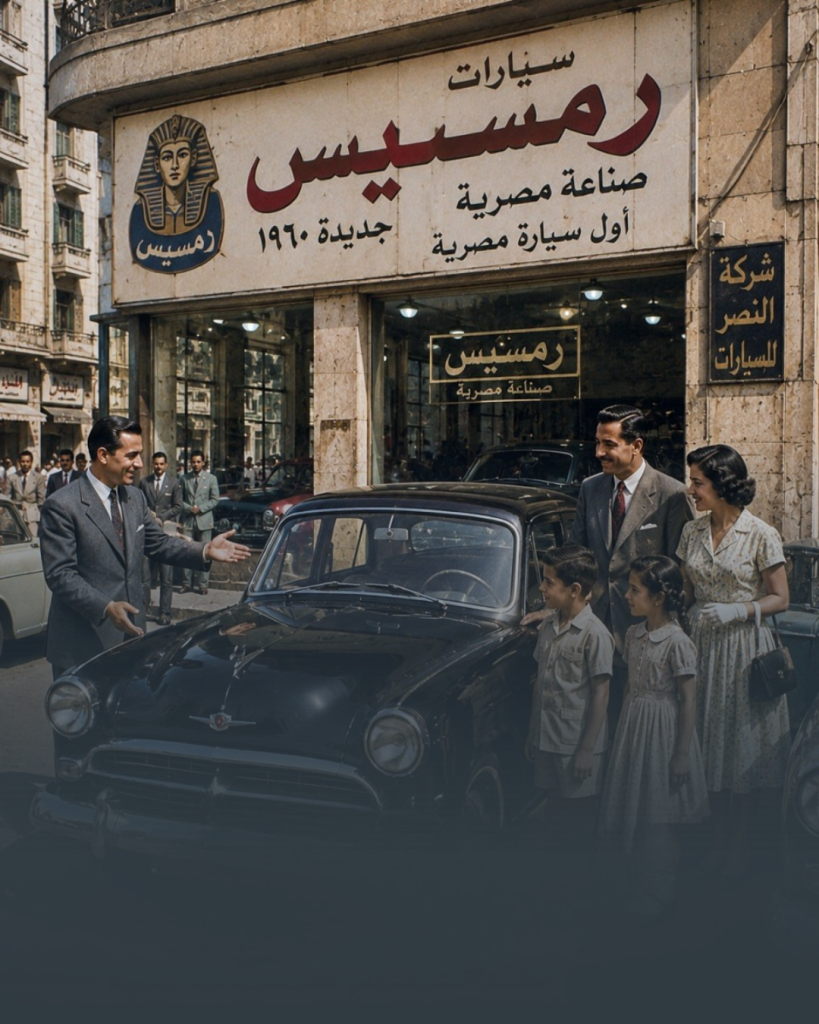
A Brand-New Ramses Car – 200 EGP
One of the most fascinating products of the era was the Ramses, an early Egyptian automobile associated with the country’s push toward domestic industrial production.
Egypt established Nasr Automotive Manufacturing Company in 1960 as part of a broader state-led effort to develop a local vehicle industry. The factory initially focused on assembly before expanding into more locally produced vehicles.
A new Ramses car cost hundreds of Egyptian pounds at the time—a major purchase compared with an ordinary monthly salary. Owning one therefore represented a significant financial milestone rather than an everyday expense.
Starting Salary – 12 EGP/Month
Monthly salaries varied widely depending on occupation, education and whether someone worked for the government or private sector.
For many young government employees and graduates, starting wages could be measured in the single digits or low tens of pounds per month.
That number sounds tiny today, but it has to be understood alongside the era’s much lower prices for housing, transport and basic food. Comparing the number directly with a modern salary without accounting for purchasing power can therefore be misleading.

Monthly Rent – 8 EGP
Housing costs were also dramatically lower in nominal terms.
Rent-controlled apartments, particularly in older Cairo neighborhoods, could cost only a few pounds per month. The exact amount depended heavily on location, property size and when the rental agreement was signed.
This period helped shape Egypt’s long-running rent-control system, which later resulted in some older apartments continuing to carry exceptionally low rents for decades.

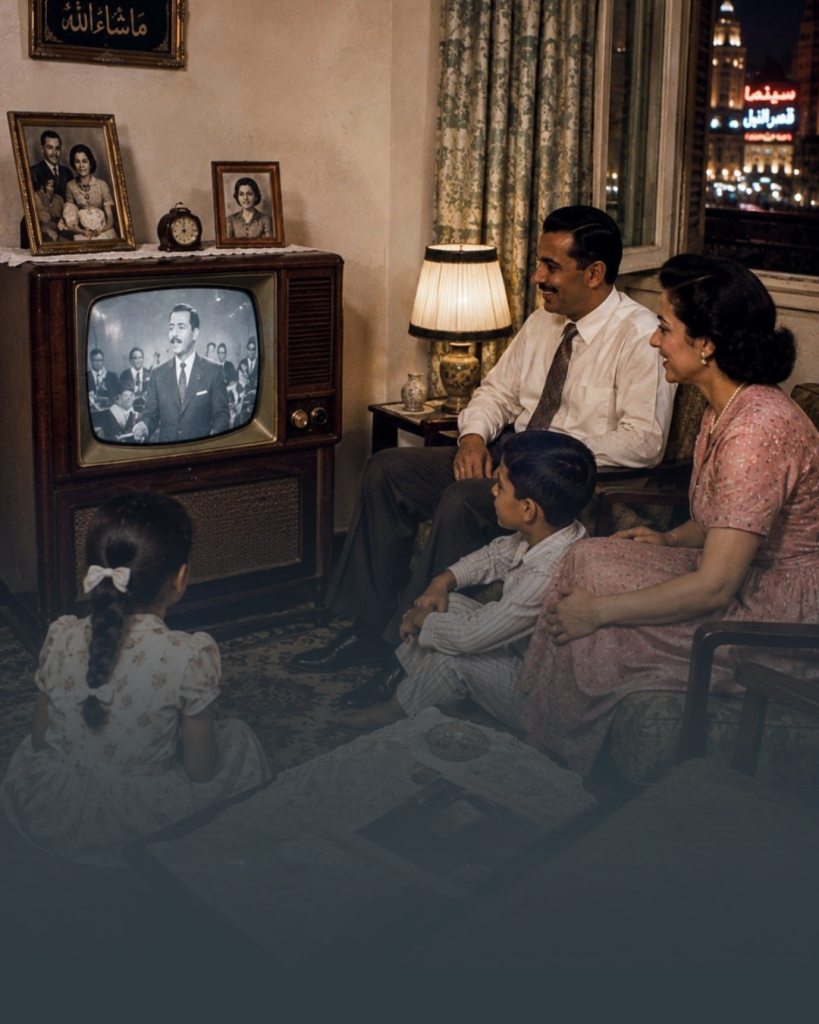
A New 17-Inch Television – 57 EGP
Television was one of the most exciting new household technologies of 1960.
Egyptian television officially began broadcasting in July 1960, turning TV ownership into a new symbol of modern life. Early television sets were expensive luxury purchases compared with ordinary wages, and a 17-inch model has been cited at around 35 Egyptian pounds during the period.
For many families, buying a television was therefore a major investment, and households without one might gather at the home of a neighbor or relative to watch major broadcasts together.
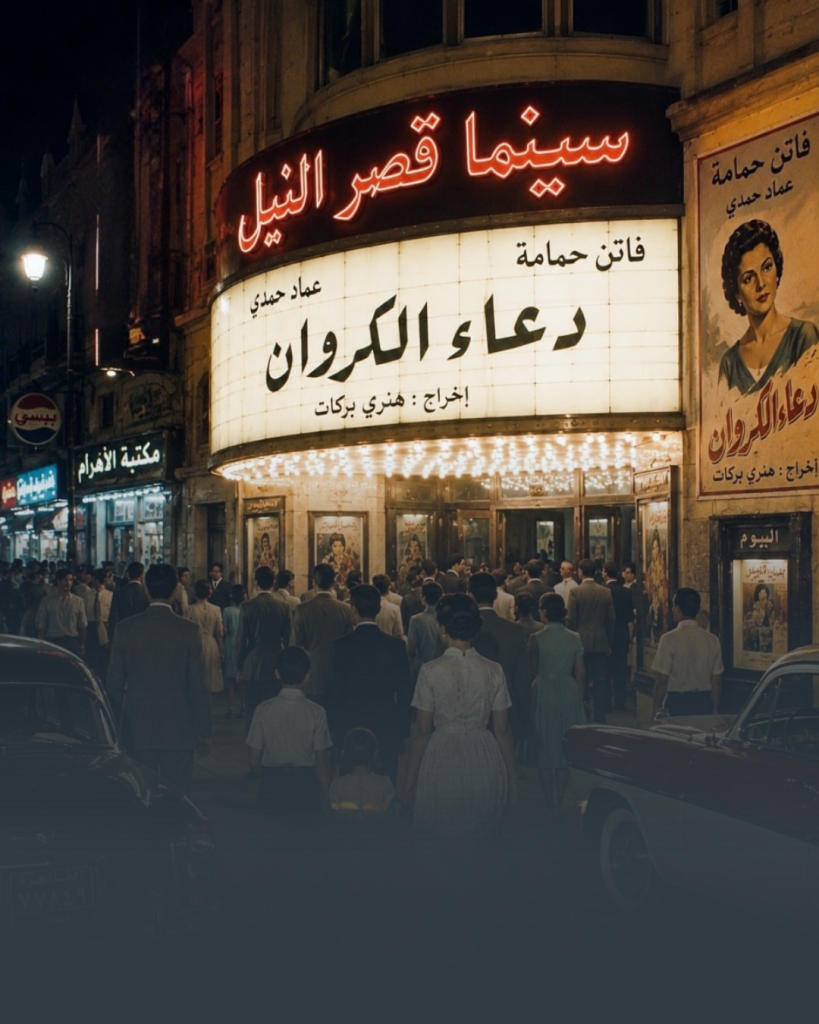
Cinema Ticket – 15 Piastres
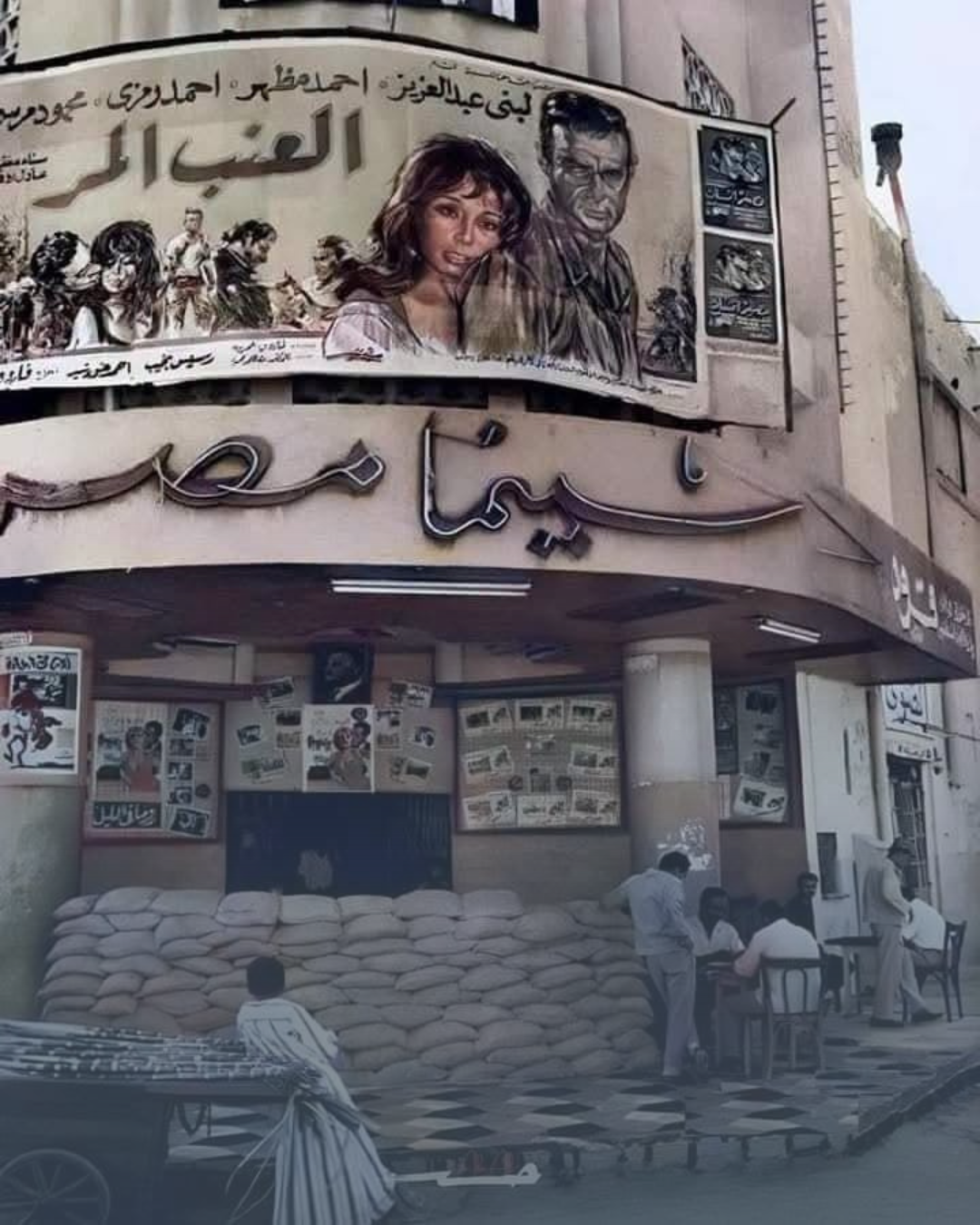
Cinema was already one of Egypt’s favorite forms of entertainment.
A ticket could cost only a few piastres, though prices differed considerably depending on the cinema, seating category and location.
Cairo and Alexandria had a thriving cinema culture, and moviegoing was a regular social activity rather than an occasional luxury for many urban Egyptians.
The inexpensive ticket itself was only part of the experience: an evening might also include public transport, snacks and a walk through busy downtown streets.
University Tuition – 20 EGP/Year
Public higher education was undergoing major changes during the Nasser era, with the government expanding access to education and moving toward increasingly subsidized university study.
University costs were far lower than the private tuition fees familiar today, and public education soon became effectively free under policies introduced during the 1960s.
For families, however, attending university still came with indirect expenses such as transportation, books, accommodation and daily living costs.

What Did Money Really Mean in 1960?
Looking at these figures individually can make 1960 seem unbelievably cheap. But the important context is that Egyptians also earned dramatically less.
A few piastres could buy lunch because a monthly salary might only be several pounds. A 35-pound television might sound inexpensive today, but for some workers it could represent several months of income.
That is why historical prices are most useful when viewed relative to wages rather than converted directly into today’s money.
Still, the numbers paint a fascinating picture: trams for a few milliemes, cinema for a few piastres, rents measured in pounds and television still new enough to feel futuristic.
Egypt in 1960 was experiencing rapid social and industrial change, and everyday prices tell part of that story—one tram ticket, koshary plate and cinema seat at a time.