President Abdel Fattah El-Sisi has directed Egyptian authorities to continue restoring Cairo’s historic and heritage landmarks while moving forward with the “Greening Cairo” initiative, which aims to transform vacant and cleared spaces across the capital into green areas.
The directives came as El-Sisi reviewed ongoing work to revive Islamic, Historic and Khedivial Cairo, including the restoration of historic mosques and mausoleums, improvements to surrounding infrastructure and plans to connect major heritage sites through integrated tourist routes.
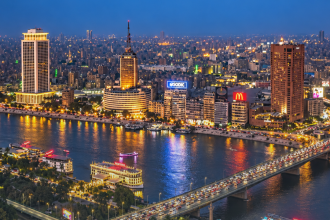
The wider strategy seeks to preserve Cairo’s architectural identity while transforming the historic heart of the capital into a more accessible cultural and tourism destination.
El-Sisi Reviews Historic Cairo Restoration Projects
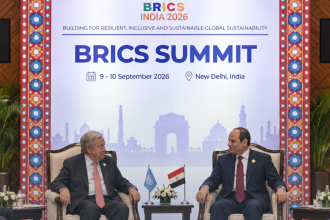
During a meeting on September 5, El-Sisi reviewed progress on restoration projects with Minister of Religious Endowments Usama Al-Azhari, Cairo Governor Ibrahim Saber, Presidential Adviser for Urban Planning Amir Sayed Ahmed, and Head of the Armed Forces Engineering Authority Walid Aref.
Al-Azhari presented updates on efforts to restore and revive a number of historic mosques and mausoleums across the capital.
The projects are not limited to restoring individual buildings. Authorities are also working to create integrated tourist routes connecting historic and heritage landmarks, allowing visitors to experience larger parts of Historic Cairo as connected destinations rather than isolated attractions.
According to the presidency, the objective is for the “Heart of Cairo” to become an open-air destination capable of attracting greater tourism activity once the ongoing restoration work is completed.
Historic, Islamic and Khedivial Cairo All Included
The development effort extends across several parts of the capital.
Cairo Governor Ibrahim Saber said work is continuing on Khedivial Cairo, Historic Cairo and Islamic Cairo, alongside improvements to infrastructure and public spaces surrounding heritage buildings.
Restoration of Khedivial Cairo, particularly Downtown Cairo, is being implemented in several phases.
The plan has included work around Tahrir Square, Talaat Harb Square, Mustafa Kamel Square, Opera Square, Qasr El-Nil Street, 26th of July Street and Talaat Harb Street.
The objective is to preserve the area’s historic architectural identity while improving infrastructure, services and the overall urban environment.
What Is the “Greening Cairo” Initiative?
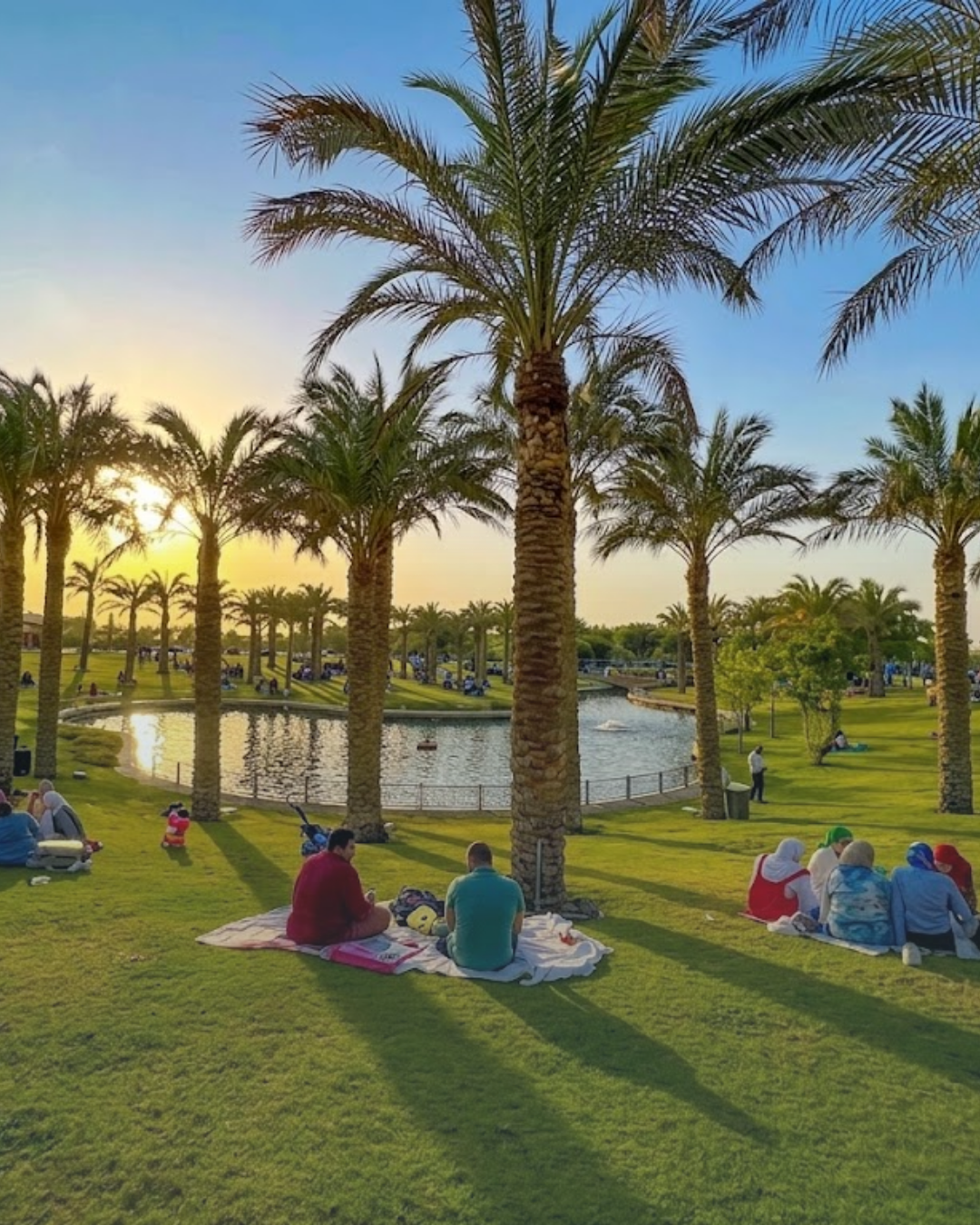
Alongside the heritage restoration program, El-Sisi directed authorities to continue with the “Greening Cairo” project, focused on converting cleared or unused spaces in the capital into green areas.
The initiative is intended to increase vegetation across Cairo while incorporating new green spaces into wider redevelopment projects.
Cairo Governor Ibrahim Saber later revealed additional details about how the initiative will be implemented.
Rather than planting trees without a unified strategy, authorities plan to work with afforestation experts and specialists to select species suitable for Egypt’s climate.
Priority will be given to trees that:
- provide significant shade;
- require relatively little water;
- can withstand Cairo’s climatic conditions; and
- are suitable for different streets, squares and major road axes.
The strategy is designed to combine environmental benefits with improvements to Cairo’s visual landscape.
Improving Air Quality and Creating More Shade
One of the initiative’s stated goals is to help improve air quality while expanding shaded areas across the capital.
Tree selection will therefore consider both environmental conditions and water consumption — an important factor when expanding green spaces in Egypt’s climate.
The Cairo Governorate said different types of streets and public areas may require different species, meaning planting plans will be adapted according to the characteristics of individual neighborhoods and locations.
The initiative comes as Cairo continues to balance major urban redevelopment with efforts to improve public spaces and environmental conditions.
Citizens and Businesses Could Take Part
“Greening Cairo” will not necessarily be limited to government planting projects.
Cairo Governorate says community-based initiatives are also planned to encourage residents and civil society organizations to participate in expanding green areas.
Shop owners and property owners may also be encouraged to plant trees outside their businesses and buildings, with planting and maintenance coordinated with the relevant authorities.
The approach could potentially extend greening beyond large parks and central redevelopment projects into individual streets and neighborhoods.
Historic Cairo as an Open-Air Tourism Destination
The restoration and greening projects are part of a wider government strategy to reposition central and historic Cairo as a major cultural and tourism destination.
Prime Minister Mostafa Madbouly has previously said the state aims to preserve Cairo’s historic, cultural and architectural character while improving the areas surrounding important heritage sites.
The government has also emphasized cultural and artistic activities alongside physical restoration, with the intention of making Downtown and Historic Cairo active destinations rather than areas focused only on monument preservation.
The creation of connected tourist routes could play an important role in that strategy, allowing visitors to move more easily between mosques, historic streets, mausoleums and other landmarks.
A Broader Transformation of Central Cairo
The latest directives bring together two major aspects of Cairo’s ongoing redevelopment: heritage preservation and environmental improvement.
Historic buildings, mosques and streets are being restored, while surrounding infrastructure and public spaces are being upgraded. At the same time, the Greening Cairo initiative aims to ensure that vacant spaces created through redevelopment are increasingly turned into landscaped and planted areas rather than remaining unused.
With restoration work continuing across Islamic, Historic and Khedivial Cairo, the government’s long-term objective is to create a capital that better preserves its architectural heritage while offering improved public spaces, more greenery and stronger tourism infrastructure.