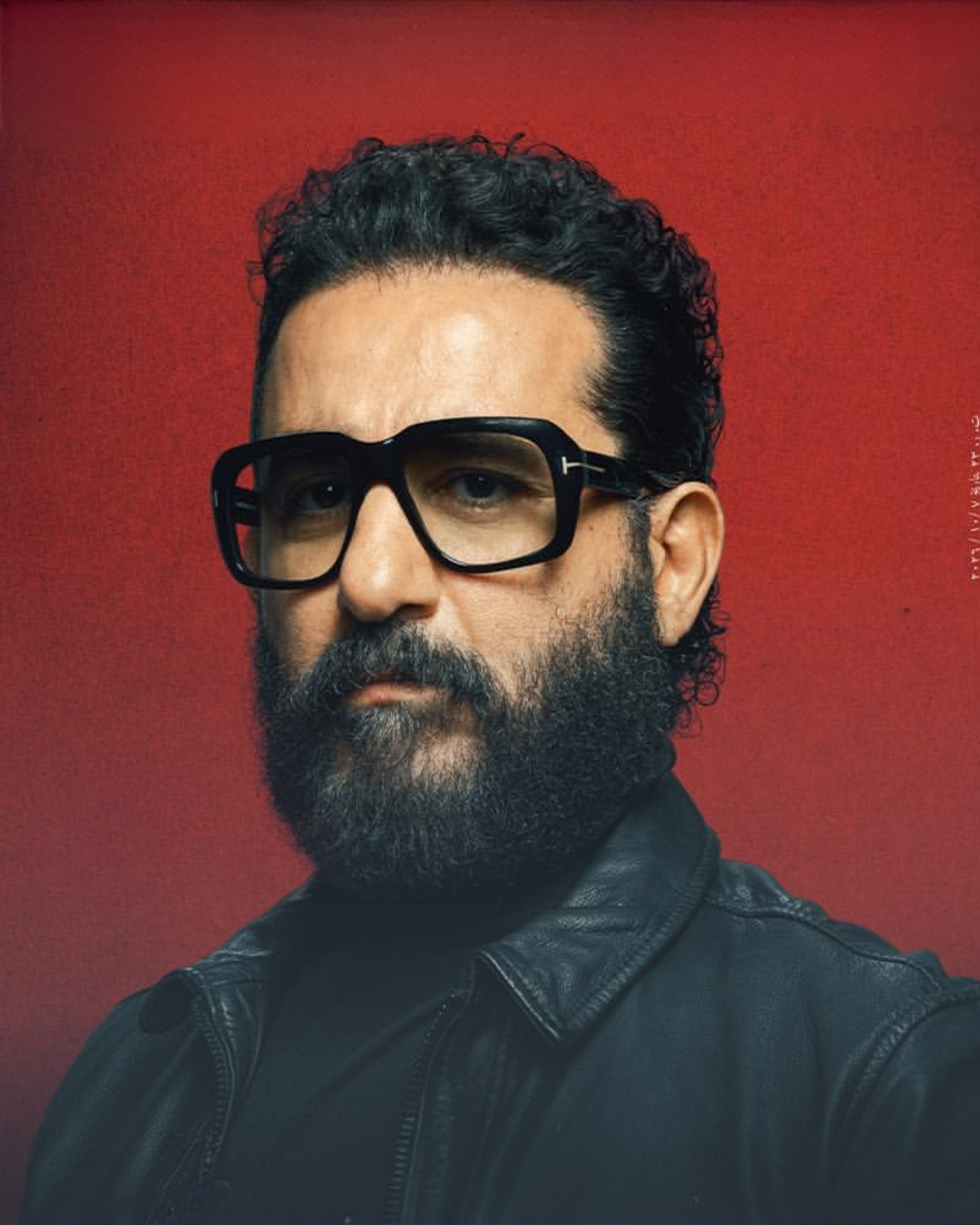
Egyptian actor Ahmed Helmy has surprised audiences with an unexpected revelation surrounding his latest film, Hadouta, after reports identified him as the writer behind the movie’s screenplay.
Although the film’s early promotional materials credited a writer named Ahmed Abdel Rahman, it has since emerged that the name belongs to Helmy himself.
The revelation has attracted attention across Egyptian entertainment media, adding another dimension to the actor’s return to cinemas after a four-year absence.
Released on November 11, 2026, Hadouta marks Helmy’s first major cinematic release since Wahed Tany in 2022.
Ahmed Helmy Revealed As The Writer Behind Hadouta
The mystery surrounding Hadouta began when the film’s promotional posters listed Ahmed Abdel Rahman as its screenwriter.
The name initially led audiences to believe that the film had been written by a different person.
However, reports published in November 2026 revealed that Ahmed Abdel Rahman is part of the actor’s full name, Ahmed Mohamed Helmy Abdel Rahman.
According to sources cited by Al-Araby Al-Jadeed, Helmy was the actual writer of the screenplay and had chosen to use another part of his name in the film’s promotional credits.
The revelation gained further attention when the Egyptian cinema database ElCinema listed Ahmed Helmy as the film’s writer.
The development introduced a new element to the discussion surrounding Hadouta, with audiences discovering that the film’s leading actor had also been involved in creating its story.
Why Did Ahmed Helmy Use A Different Name?
According to reports citing sources close to the production, Helmy’s decision to use the name Ahmed Abdel Rahman was intended to reduce the pressure and expectations associated with his established reputation.
As one of Egypt’s most recognizable actors, Helmy has built a career around successful comedy films and memorable characters.
His return to cinemas after several years away from leading film roles already carried considerable public expectations.
By avoiding his familiar professional name in the writing credits, the actor reportedly wanted audiences to experience the film without additional expectations surrounding his involvement in the screenplay.
However, the reported motivation comes from sources associated with the production rather than a detailed public explanation from Helmy himself.
The use of the alternative name became a major talking point as audiences discovered the connection between the actor and the previously credited writer.
Hadouta Marks A New Chapter In Ahmed Helmy’s Career
The revelation represents an important development in Ahmed Helmy’s career, which has primarily been associated with acting.
Known for films such as Assal Eswed, X-Large, Keda Reda, and Assef Ala El Ezag, Helmy has established himself as one of Egyptian cinema’s most recognizable stars.
With Hadouta, he takes on an additional creative role by being credited as the writer of the film’s screenplay.
The project also marks his return to Egyptian cinemas following the release of Wahed Tany in 2022.
Rather than relying entirely on the style of comedy traditionally associated with his films, Hadouta explores a combination of psychological themes, drama, and dark humor.
This shift has attracted attention from audiences and critics discussing the direction of Helmy’s latest cinematic work.
What Is Ahmed Helmy’s Hadouta About?
Directed by Mazen Ashraf, Hadouta follows a 40-year-old man struggling with missing memories and unresolved experiences from his past.
The central character becomes involved in a complicated situation after being unable to remember the location of a witness he previously kidnapped.
Seeking answers, he turns to a specialist who attempts to help him recover his missing memories.
As the story progresses, the character is forced to confront experiences from his childhood and events that shaped his adult life.
The film combines elements of psychological drama, suspense, and dark comedy while exploring themes of memory, identity, and the long-term effects of childhood experiences.
Its narrative offers a different approach from the traditional comedy formula associated with several of Helmy’s earlier films.
Who Stars Alongside Ahmed Helmy In Hadouta?
The film features an ensemble cast of established Egyptian actors alongside Ahmed Helmy.
Amina Khalil plays a leading role, marking her first cinematic collaboration with Helmy.
The cast also includes Khaled El Sawy, Maged El Masry, Rahma Ahmed, and Mohamed Abdel Azim.
Directed by Mazen Ashraf and produced by Ahmed Badawy, the film brings together several prominent names from Egypt’s entertainment industry.
The combination of a recognizable cast and an unconventional storyline has contributed to the attention surrounding the project.
Hadouta Makes A Strong Start At The Egyptian Box Office
Since its release on November 11, Hadouta has attracted considerable interest from Egyptian cinema audiences.
According to box-office figures reported by Al-Masry Al-Youm and cited by Ahram Online, the film earned approximately EGP 55.43 million during its first seven days in Egyptian cinemas.
The report also indicated that around 342,900 tickets were sold during that period.
The film’s commercial performance has been accompanied by discussions about its storyline, themes, and Helmy’s performance.
Audience reactions have highlighted the film’s exploration of childhood memories and emotional experiences, while some viewers have questioned aspects of its narrative structure.
The attention surrounding the film has further intensified following the revelation about its screenwriting credits.
Ahmed Helmy’s Unexpected Screenwriting Reveal
The discovery that Ahmed Helmy was behind the screenplay of Hadouta has become one of the more unusual stories surrounding the film’s release.
By initially appearing under the name Ahmed Abdel Rahman, the actor kept his involvement in writing the film separate from his familiar public identity.
The subsequent reports and updated credits have brought that involvement into the spotlight.
For Helmy, Hadouta represents more than a return to the big screen. It also places attention on his creative work beyond acting.
As the film continues its theatrical run, audiences are discovering another side of the Egyptian star through a story that explores memory, identity, and the experiences that shape people’s lives.