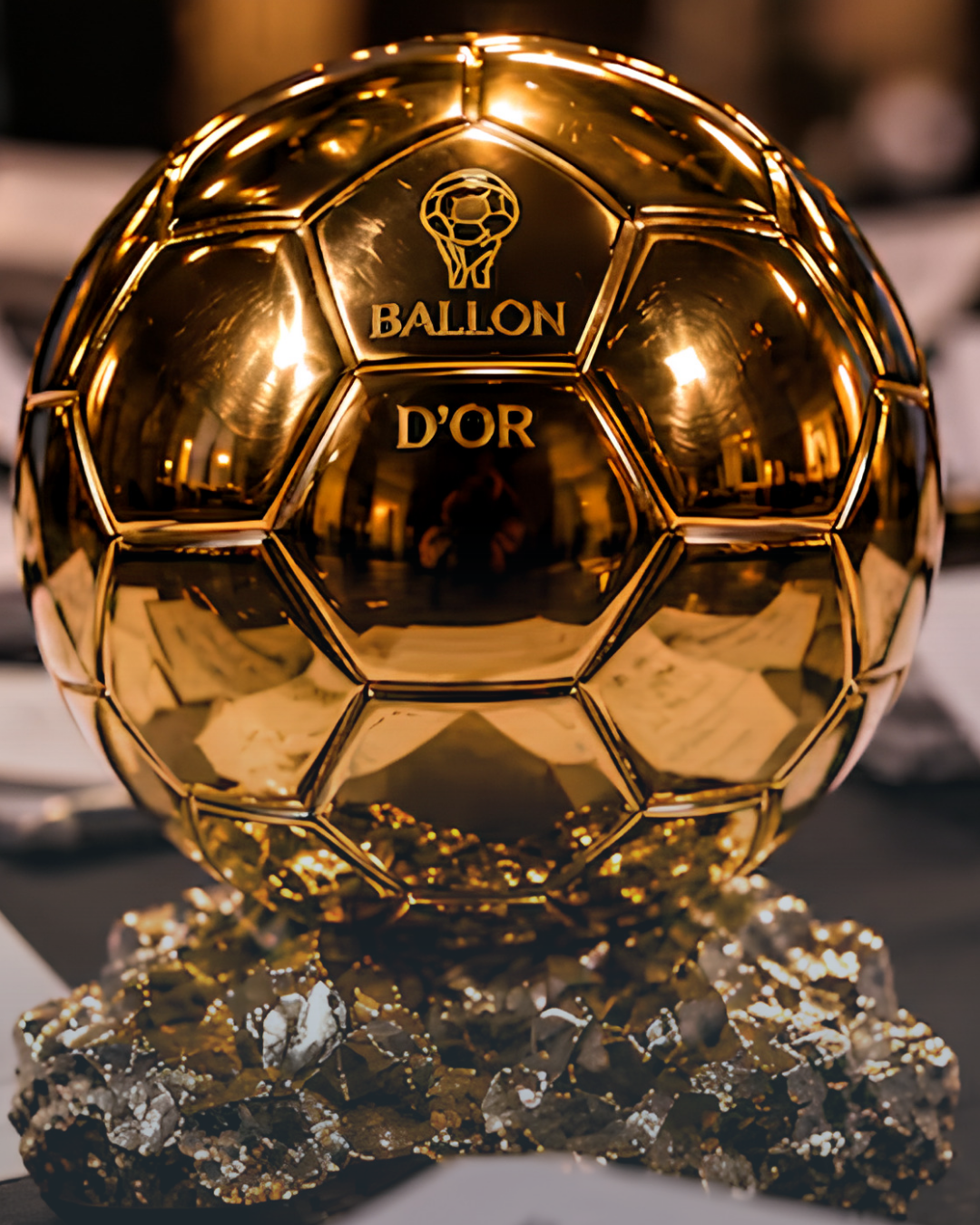
The Ballon d’Or is football’s most prestigious individual award, but not every winner has been universally celebrated. Throughout its history, some decisions have surprised fans, divided opinions, and sparked debates that continue decades later.
Since its introduction in 1956, the award has recognized extraordinary footballers, from Johan Cruyff and Michel Platini to Lionel Messi and Cristiano Ronaldo.
However, the history of the Ballon d’Or is also filled with unexpected results.
Sometimes, a player wins despite another candidate producing remarkable goalscoring numbers. In other cases, international tournament success outweighs individual statistics, or a defender or midfielder receives recognition over the world’s most exciting attacking players.
Among the most controversial Ballon d’Or winners are Igor Belanov in 1986, Matthias Sammer in 1996, Michael Owen in 2001, Pavel Nedvěd in 2003, Fabio Cannavaro in 2006, Luka Modrić in 2018, and Rodri in 2024.
Each victory tells a different story about how football’s biggest individual prize is decided.
Here are seven surprising Ballon d’Or results that generated some of the most memorable discussions in football history.
1. Igor Belanov — 1986 Ballon d’Or Winner
The Unexpected Victory Over World Cup Top Scorer Gary Lineker
The 1986 Ballon d’Or remains one of the most surprising results in the award’s history.
Soviet forward Igor Belanov, representing Dynamo Kyiv, won the prestigious trophy ahead of England striker Gary Lineker and Spain’s Emilio Butragueño.
The final voting placed Belanov first with 84 points, followed by Lineker with 62 points and Butragueño with 59.
The result attracted attention because Lineker had enjoyed an outstanding year, particularly during the 1986 FIFA World Cup in Mexico.
The English striker finished as the tournament’s leading goalscorer, scoring six goals in five appearances and winning the Golden Shoe.
His performances included a hat-trick against Poland, two goals against Paraguay, and another against Argentina in the quarter-finals.
Despite that achievement, Lineker finished second in the Ballon d’Or voting.
Why Did Igor Belanov Win The 1986 Ballon d’Or?
Belanov’s victory was supported by a successful year with Dynamo Kyiv.
The Ukrainian-born forward, who represented the Soviet Union internationally, helped his club win the 1985/86 European Cup Winners’ Cup.
Dynamo Kyiv defeated Atlético Madrid 3–0 in the final, completing a successful European campaign.
Belanov also performed impressively at the 1986 World Cup, most notably scoring a hat-trick against Belgium in a dramatic round-of-16 match.
Although the Soviet Union lost 4–3 after extra time, his performance was among the tournament’s memorable individual displays.
His combination of European club success and international performances contributed to his Ballon d’Or victory.
Why Was The Result So Surprising?
Lineker’s World Cup Golden Shoe made him a strong contender, particularly given the attention surrounding the tournament.
There was also another major name missing from the Ballon d’Or race: Diego Maradona.
The Argentine star had inspired his country to World Cup glory in 1986, producing one of the most celebrated individual performances in football history.
However, Maradona was not eligible for the award.
At the time, the Ballon d’Or was restricted to European players, meaning non-European stars could not compete regardless of their achievements.
The eligibility rules were expanded in 1995 to include players of any nationality representing European clubs.
Belanov’s victory was therefore decided within a different competitive framework from the one used today.
Nevertheless, the contrast between his victory and Lineker’s World Cup scoring achievements has kept the 1986 result among football’s most discussed Ballon d’Or decisions.
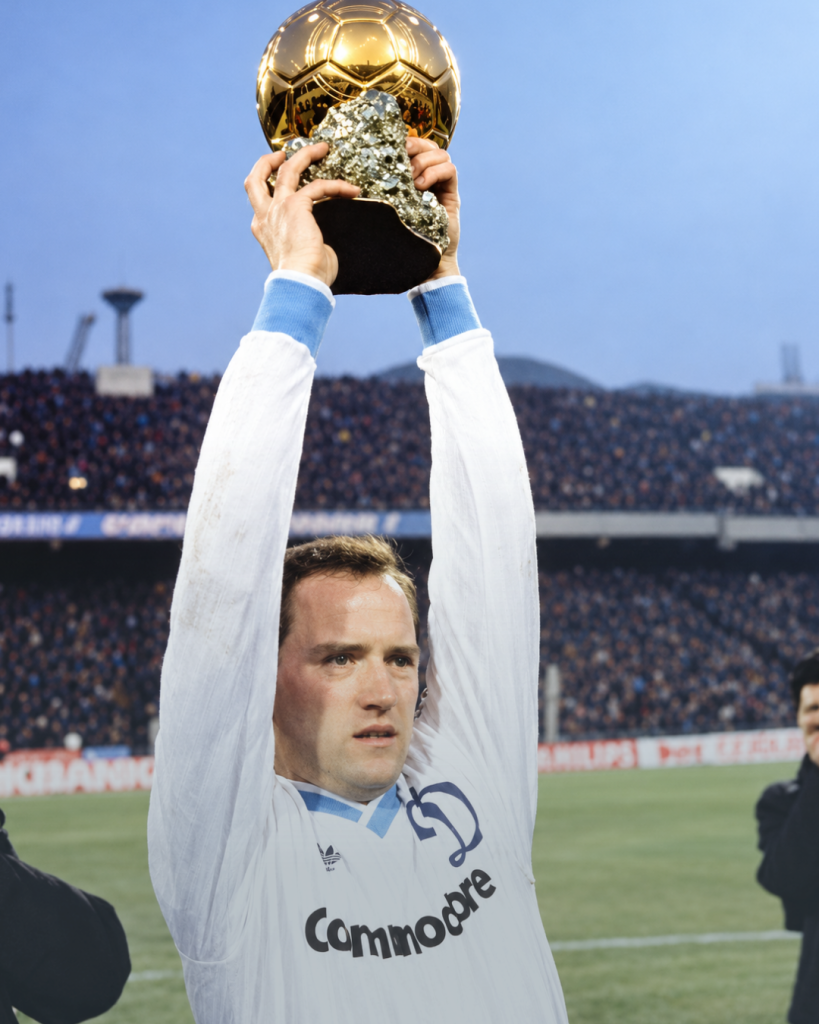
2. Matthias Sammer — 1996 Ballon d’Or Winner
The Closest Ballon d’Or Race Between Sammer And Ronaldo Nazário
The 1996 Ballon d’Or produced one of the closest voting results in the competition’s history.
Germany’s Matthias Sammer won the award with 144 points, defeating Brazilian sensation Ronaldo Nazário, who finished second with 143.
Just one point separated the two players.
Alan Shearer completed the top three with 107 points.
The result was particularly surprising because Ronaldo was emerging as one of the most extraordinary attacking talents in world football.
During 1996, the Brazilian striker established himself as an explosive goalscorer, combining exceptional speed, dribbling, and finishing.
His performances for PSV Eindhoven and Barcelona made him one of the most exciting young players in Europe.
However, Sammer’s achievements with Borussia Dortmund and Germany ultimately earned him the trophy.
Why Did Matthias Sammer Win?
Sammer was one of the defining players of Germany’s successful UEFA Euro 1996 campaign.
Operating primarily as a sweeper, he combined defensive discipline with the ability to move forward and influence attacks.
He scored important goals during the tournament, including the winning goal against Croatia in the quarter-finals.
Germany eventually defeated the Czech Republic in the final to win the European Championship.
Sammer was named Player of the Tournament, recognizing his influence throughout the competition.
At club level, he also helped Borussia Dortmund secure the 1995/96 Bundesliga title.
His performances made a compelling case for the Ballon d’Or, particularly during a year when international tournament success carried considerable significance.
Why Was Ronaldo’s Second-Place Finish Controversial?
Ronaldo’s attacking brilliance made many observers believe he deserved the award.
The Brazilian was developing into a global superstar, and his remarkable individual ability contrasted with Sammer’s less glamorous defensive role.
The one-point margin made the result even more memorable.
A slight change in the journalists’ voting could have produced a different winner.
Ronaldo eventually won his first Ballon d’Or in 1997, followed by another in 2002.
Sammer’s 1996 victory remains an example of how defensive contributions and major international trophies can compete with extraordinary attacking performances.
More importantly, it demonstrates just how narrow the difference between winning and finishing second can be.
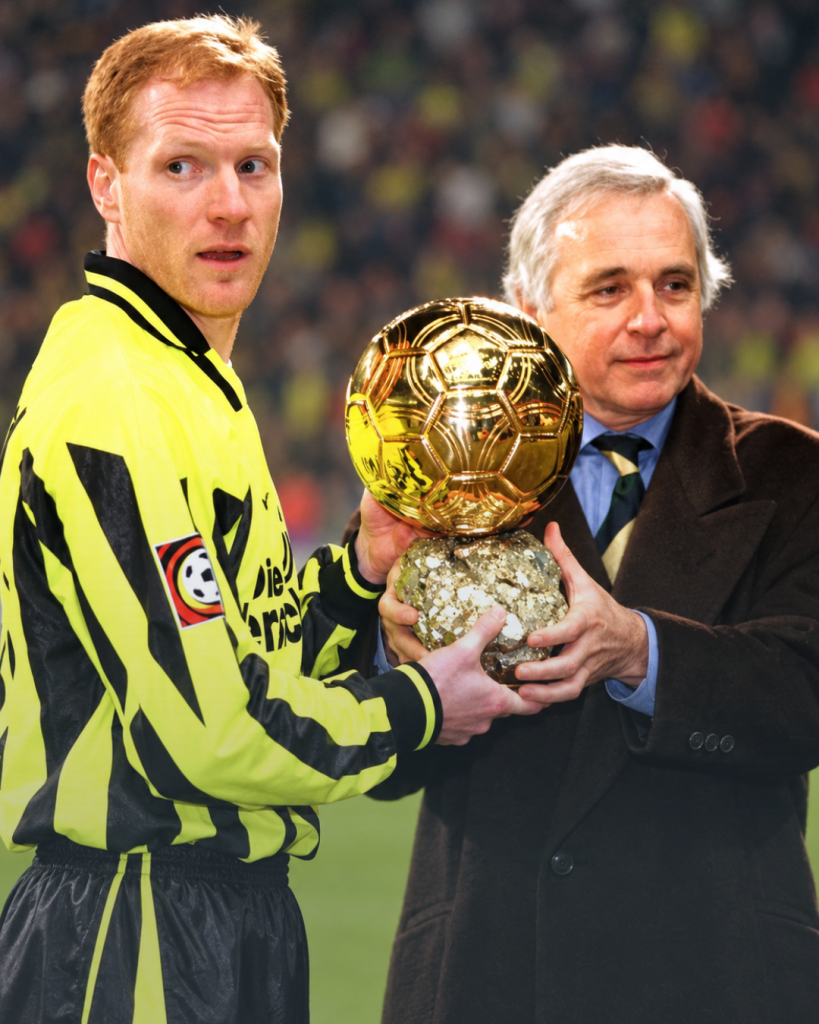
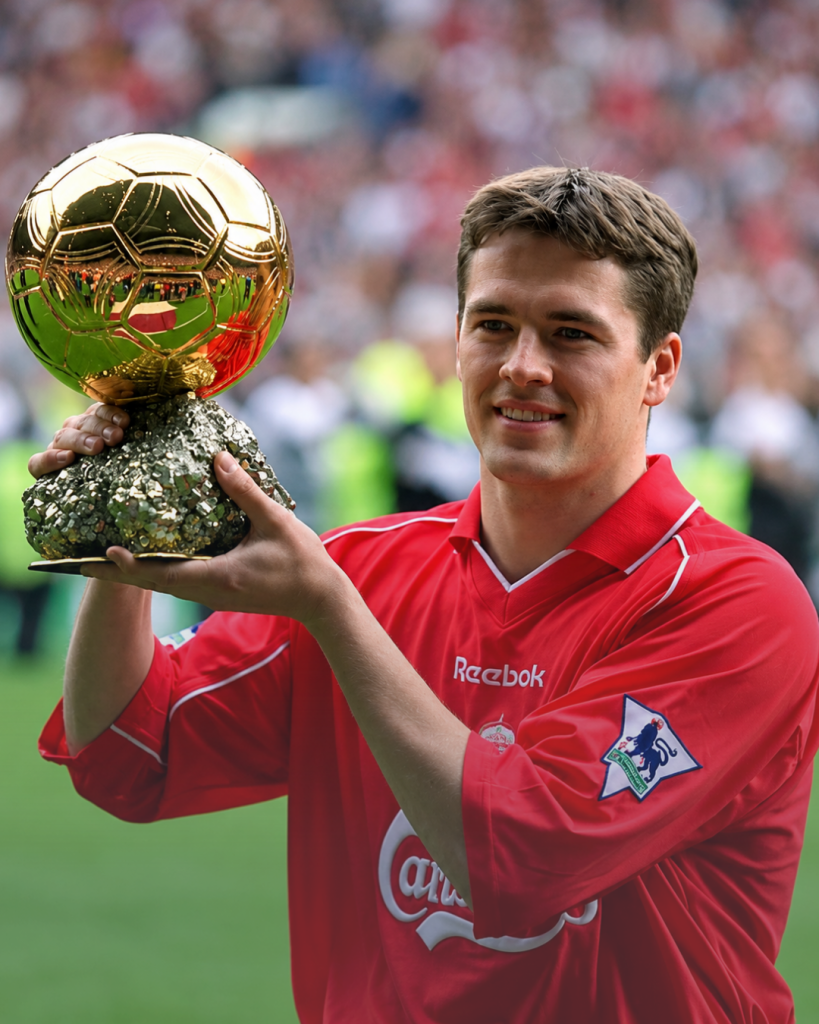
3. Michael Owen — 2001 Ballon d’Or Winner
Michael Owen Wins Ahead Of Raúl And Oliver Kahn
Liverpool striker Michael Owen received the 2001 Ballon d’Or after an exceptional year with his club and the England national team.
However, his victory remains the subject of discussion because of the achievements of two other major contenders: Real Madrid striker Raúl González and Bayern Munich goalkeeper Oliver Kahn.
Owen finished first with 176 points.
Raúl placed second with 140 points, while Kahn finished third with 114.
All three players had strong claims to the award, but their achievements came in very different areas of the game.
What Made Michael Owen’s 2001 Season Special?
Owen played an important role in Liverpool’s remarkable 2000/01 campaign.
The club completed a historic cup treble, winning the FA Cup, League Cup, and UEFA Cup.
Owen was particularly influential in the FA Cup final against Arsenal.
With Liverpool trailing late in the match, he scored twice to secure a dramatic 2–1 victory.
His performances helped Liverpool collect three major trophies in one season.
Owen also played a major role for England.
In September 2001, he scored a hat-trick during England’s famous 5–1 victory over Germany in a World Cup qualifier.
The performance strengthened his reputation as one of Europe’s most dangerous forwards.
At just 22 years old when the award was presented, Owen became one of the youngest players to win the Ballon d’Or.
Why Did Raúl And Oliver Kahn Have Strong Claims?
Raúl had enjoyed an outstanding season with Real Madrid.
The Spanish striker helped his club win La Liga and finished as the league’s leading goalscorer.
His performances made him one of the strongest individual contenders for the award.
Oliver Kahn, meanwhile, was instrumental in Bayern Munich’s success.
The German goalkeeper helped Bayern win the 2000/01 UEFA Champions League and Bundesliga titles.
His performances in the Champions League final against Valencia were particularly significant.
Kahn saved three penalties during the shootout, helping Bayern secure the European trophy.
Why Does Owen’s Victory Still Spark Debate?
The debate surrounding Owen’s Ballon d’Or comes from the difficulty of comparing three very different players.
Owen offered decisive goals, memorable individual performances, and major cup victories.
Raúl delivered goalscoring consistency and a domestic league title.
Kahn provided exceptional goalkeeping performances and helped Bayern win Europe’s most prestigious club competition.
Although Owen’s achievements justified his position among the leading candidates, some fans continue to argue that Raúl or Kahn had an equally strong case.
The 2001 result remains an example of how football’s biggest individual awards can produce different conclusions depending on which achievements voters value most.
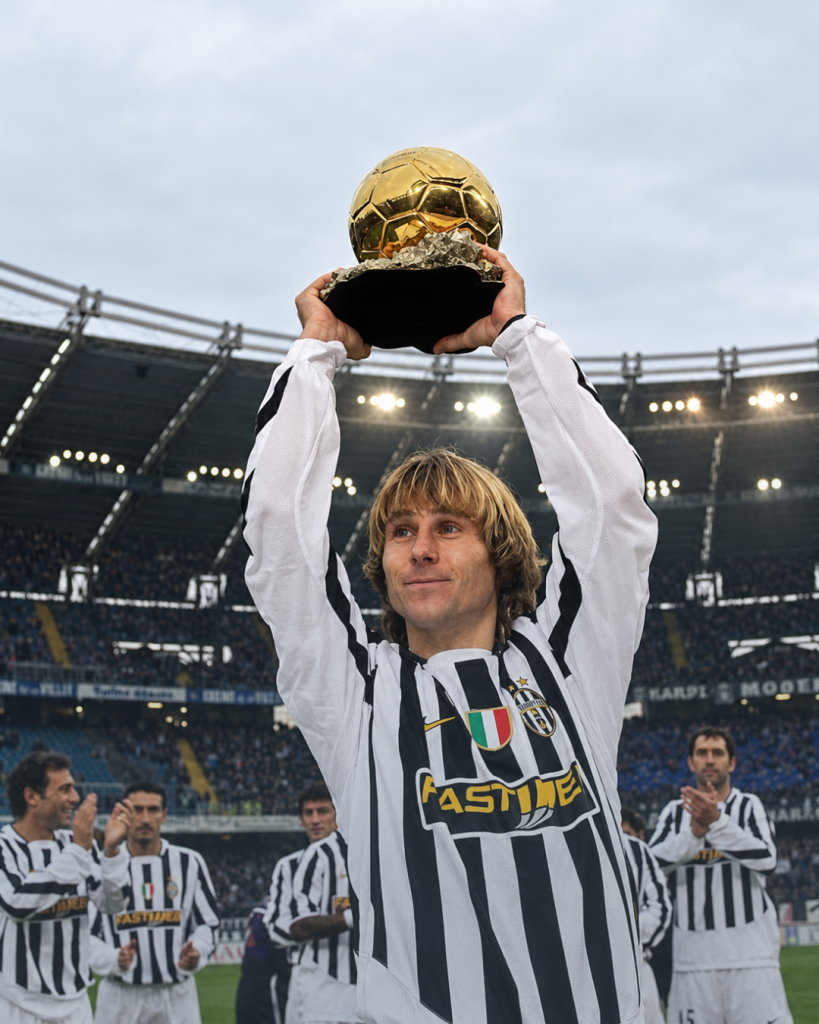
4. Pavel Nedvěd — 2003 Ballon d’Or Winner
Pavel Nedvěd Beats Thierry Henry Despite Arsenal Star’s Remarkable Performances
The 2003 Ballon d’Or remains one of the most frequently debated results among Premier League supporters.
Czech midfielder Pavel Nedvěd won the award after an outstanding year with Juventus.
However, many Arsenal fans believed French striker Thierry Henry should have received the trophy.
The final rankings placed Nedvěd first with 190 points, Henry second with 128, and AC Milan defender Paolo Maldini third with 123.
Although Nedvěd won by a considerable margin, the decision has continued to generate discussion because of Henry’s extraordinary attacking performances.
Why Did Pavel Nedvěd Win The 2003 Ballon d’Or?
Nedvěd was a central figure in Juventus’ successful 2002/03 season.
The Italian club won Serie A and reached the UEFA Champions League final.
Nedvěd’s energy, creativity, technical ability, and consistent performances made him one of Europe’s most influential midfielders.
He played an important role in Juventus’ Champions League campaign, including the semi-final victory over Real Madrid.
However, he missed the final against AC Milan through suspension.
Juventus eventually lost the match on penalties.
Despite that disappointment, Nedvěd’s performances throughout the year earned widespread recognition.
His Ballon d’Or victory represented a major achievement for Czech football.
Why Did Thierry Henry’s Second-Place Finish Surprise Fans?
Henry’s performances for Arsenal during the 2002/03 Premier League season were exceptional.
The French striker scored 24 league goals and provided 20 assists, combining elite goalscoring with outstanding creativity.
At the time, his 20 assists represented a Premier League single-season record.
Henry also helped Arsenal win the FA Cup in 2003.
His combination of speed, finishing, dribbling, and playmaking made him one of the most complete attacking players in world football.
For many supporters, those achievements were enough to justify a Ballon d’Or victory.
However, Juventus’ Serie A title and run to the Champions League final strengthened Nedvěd’s case.
Why Is The 2003 Result Still Discussed?
Henry is widely regarded as one of the greatest players never to win the Ballon d’Or.
His second-place finish in 2003 is often highlighted when discussing that omission.
Some fans believe his individual performances should have outweighed Nedvěd’s achievements with Juventus.
Others point to Nedvěd’s consistency, influence, and success in major European competitions as reasons for his victory.
It is also important to distinguish the 2003 award from Arsenal’s famous unbeaten Premier League season.
Arsenal completed that achievement in 2003/04, after the 2003 Ballon d’Or had already been awarded.
The debate surrounding 2003 therefore centers primarily on Henry’s performances during the preceding season and calendar year.
More than two decades later, Nedvěd’s victory over Henry remains one of the award’s most recognizable debates.
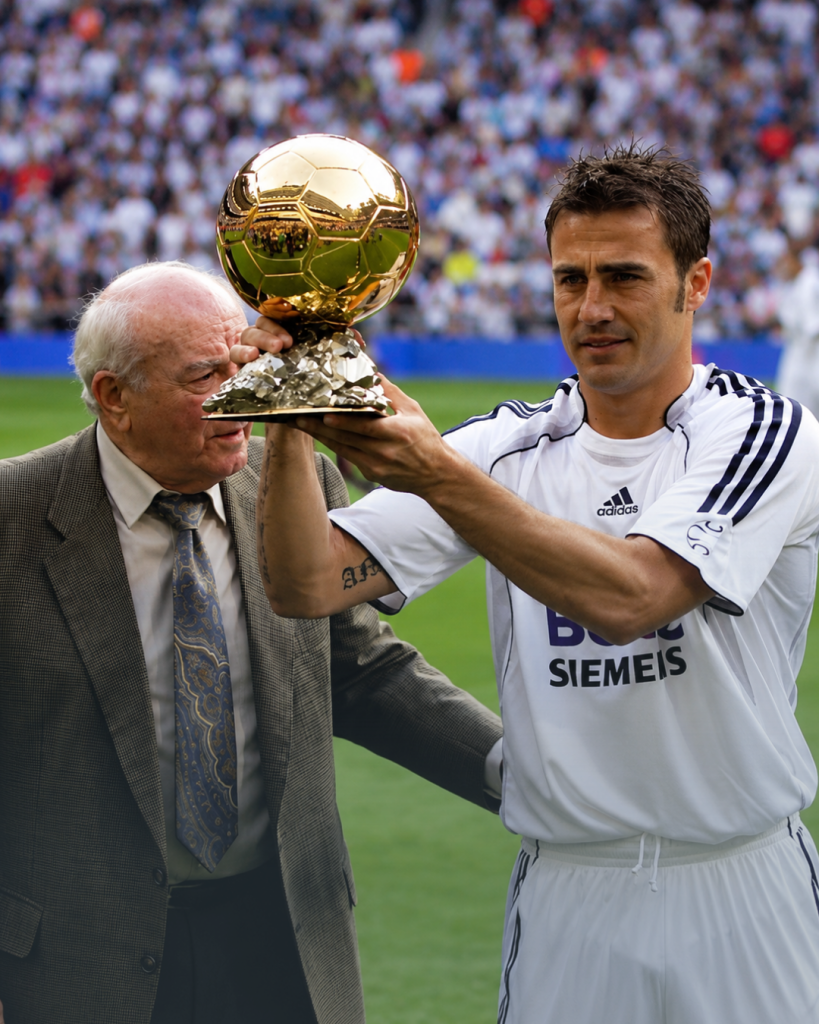
5. Fabio Cannavaro — 2006 Ballon d’Or Winner
A Defender Winning Football’s Biggest Individual Award Surprised Many
In 2006, Italian defender Fabio Cannavaro achieved something that very few defensive players have managed in Ballon d’Or history.
He won football’s most prestigious individual award after captaining Italy to victory at the FIFA World Cup.
Cannavaro finished first with 173 points, ahead of fellow Italian Gianluigi Buffon, who received 124 points.
France and Arsenal striker Thierry Henry finished third with 121 points.
The result was significant because the Ballon d’Or has historically favored attacking players.
Why Did Fabio Cannavaro Win?
Cannavaro was the captain of Italy’s 2006 World Cup-winning team.
The Italian national side produced one of the tournament’s most impressive defensive performances.
Across seven matches, Italy conceded only two goals.
One was an own goal against the United States, while the other was a penalty scored by Zinedine Zidane in the final.
Cannavaro’s leadership, positioning, tackling, and consistency were central to Italy’s defensive success.
He played every minute of the tournament and helped guide Italy to its fourth World Cup title.
Following the tournament, Cannavaro moved from Juventus to Real Madrid.
His achievements for Italy made him a leading candidate for the Ballon d’Or.
Why Was Cannavaro’s Victory Unexpected?
Winning the Ballon d’Or as a defender is exceptionally rare.
Before Cannavaro, the award had been won by German defenders Franz Beckenbauer and Matthias Sammer.
Beckenbauer won in 1972 and 1976, while Sammer received the trophy in 1996.
Cannavaro became the third defender to win the award.
His victory was particularly notable because his position did not usually produce the goals and assists that attract individual recognition.
The presence of Buffon in second place also highlighted how strongly Italy’s defensive achievements influenced the voting.
Why Did The Decision Divide Opinion?
Some supporters believed Cannavaro deserved recognition for leading Italy through an extraordinary World Cup campaign.
Others argued that attacking players such as Thierry Henry or Ronaldinho had produced more influential performances across the year.
Henry had reached the Champions League final with Arsenal and the World Cup final with France.
Ronaldinho, meanwhile, had helped Barcelona win the Champions League and La Liga.
The contrast between their attacking achievements and Cannavaro’s defensive contributions created an interesting debate.
Ultimately, Cannavaro’s victory demonstrated that exceptional defensive performances and international success could still earn football’s biggest individual prize.
As of 2026, he remains the most recent defender to win the Men’s Ballon d’Or.
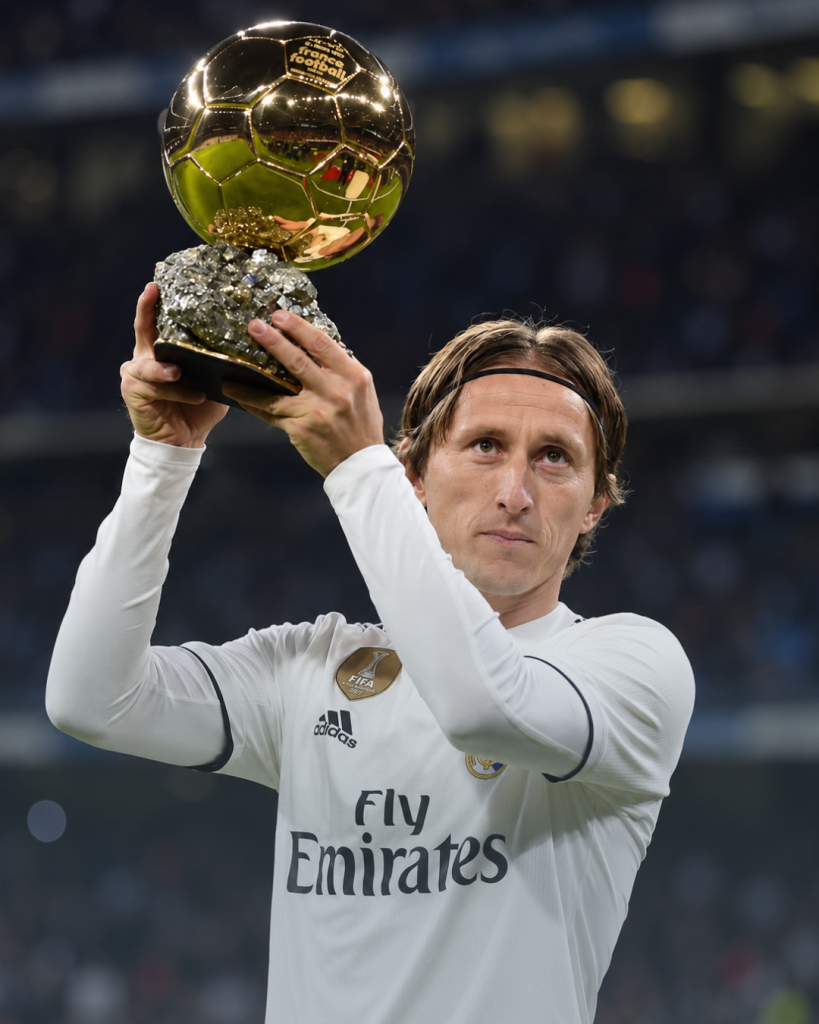
6. Luka Modrić — 2018 Ballon d’Or Winner
Luka Modrić Ends Messi And Cristiano Ronaldo’s 10-Year Dominance
The 2018 Ballon d’Or marked the end of one of the longest periods of dominance in the award’s history.
For ten consecutive years, from 2008 through 2017, the Men’s Ballon d’Or had been won exclusively by Lionel Messi or Cristiano Ronaldo.
That changed when Croatian midfielder Luka Modrić received the trophy in December 2018.
Modrić finished ahead of Cristiano Ronaldo, who placed second, and Antoine Griezmann, who finished third.
Kylian Mbappé was fourth, while Messi finished fifth.
The victory brought an end to the Messi-Ronaldo streak and marked a major milestone for Croatian football.
Why Did Luka Modrić Win The 2018 Ballon d’Or?
Modrić enjoyed a remarkable year with Real Madrid and Croatia.
At club level, he helped Real Madrid win the UEFA Champions League for the third consecutive season.
The midfielder played an important role in the team’s success, controlling matches through his passing, positioning, and technical ability.
His achievements with Croatia were equally significant.
Modrić captained his national team to the 2018 FIFA World Cup final, the country’s first appearance in the tournament’s championship match.
Although Croatia lost 4–2 to France, Modrić’s performances earned him the World Cup Golden Ball, awarded to the tournament’s best player.
He also won The Best FIFA Men’s Player award in 2018.
These achievements established him as one of the year’s most successful and influential midfielders.
Why Was His Ballon d’Or Victory Controversial?
Modrić’s victory surprised many fans who had become accustomed to Messi and Ronaldo winning the award.
Cristiano Ronaldo had enjoyed another highly successful year, helping Real Madrid win the Champions League and finishing as the competition’s leading goalscorer.
Griezmann also had a strong case after winning the World Cup with France and the UEFA Europa League with Atlético Madrid.
Meanwhile, Messi continued to produce outstanding individual performances for Barcelona.
The debate centered on whether Modrić’s achievements as a midfielder should outweigh the individual attacking statistics of his competitors.
For some supporters, his combination of Champions League success and World Cup performances made him a deserving winner.
Others argued that Ronaldo or one of France’s World Cup-winning players had a stronger case.
Whatever the opinion, Modrić’s victory became one of the defining moments in Ballon d’Or history.
It demonstrated that even during an era dominated by two extraordinary goalscorers, a midfielder could still claim football’s highest individual honor.
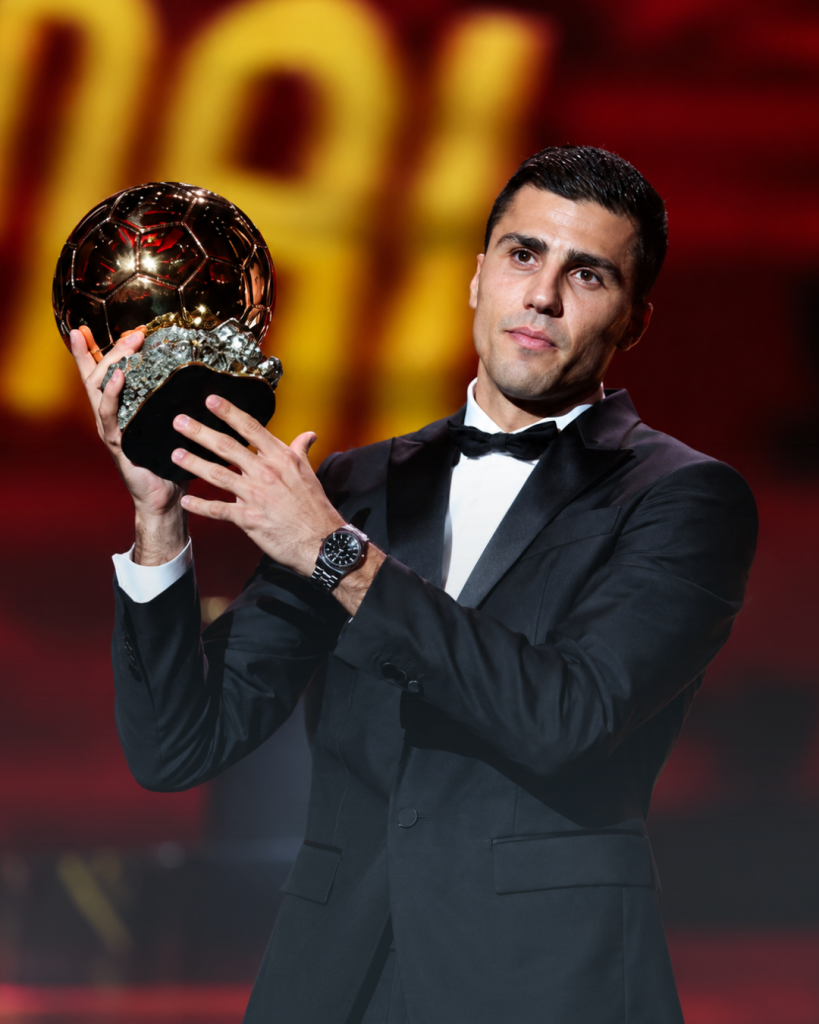
7. Rodri — 2024 Ballon d’Or Winner
Rodri Beats Vinícius Júnior In One Of The Most Debated Recent Decisions
The 2024 Ballon d’Or became one of the most controversial football awards in recent years.
Manchester City and Spain midfielder Rodri won the trophy ahead of Real Madrid winger Vinícius Júnior.
The final rankings placed Rodri first, Vinícius second, and Jude Bellingham third.
The result was especially surprising because Vinícius had widely been considered a leading favorite before the ceremony.
Reports that Rodri would win emerged shortly before the event, leading Real Madrid’s delegation to decide not to attend.
The decision added another layer of controversy to an already closely watched award.
Why Did Rodri Win The 2024 Ballon d’Or?
Rodri was one of the most influential players in Manchester City’s successful 2023/24 season.
The Spanish midfielder played an important role as City became the first club to win four consecutive English Premier League titles.
His ability to control possession, organize midfield play, and contribute defensively made him central to the team’s success.
Rodri also enjoyed an outstanding summer with Spain.
The national team won UEFA Euro 2024, defeating England in the final.
Rodri was named Player of the Tournament, recognizing his performances throughout Spain’s successful campaign.
His achievements at both club and international level made him a strong candidate for the Ballon d’Or.
Why Did Vinícius Júnior Appear To Be The Favorite?
Vinícius Júnior had enjoyed an exceptional season with Real Madrid.
The Brazilian winger helped the Spanish club win La Liga and the UEFA Champions League.
He was particularly influential during Madrid’s European campaign.
Vinícius scored six Champions League goals, including one in the final against Borussia Dortmund.
His performances earned him the 2023/24 UEFA Champions League Player of the Season award.
His speed, dribbling, creativity, and ability to deliver in decisive matches strengthened his reputation as one of the world’s leading attacking players.
For many fans and analysts, his achievements made him the expected Ballon d’Or winner.
How Close Was The 2024 Ballon d’Or Voting?
The final voting results showed that Rodri won with 1,170 points, compared with Vinícius Júnior’s 1,129.
The difference was just 41 points.
Although the margin was not as narrow as Sammer’s one-point victory in 1996, it confirmed that the competition had been closely contested.
The debate continued after the ceremony.
In December 2024, Vinícius received The Best FIFA Men’s Player award, finishing ahead of Rodri in that separate voting process.
The two results highlighted how different award systems and voting panels can reach different conclusions about the same period of football.
Why Does Rodri’s Victory Remain Controversial?
The discussion surrounding the 2024 award reflects a broader question in football.
Should the Ballon d’Or favor a player who delivers outstanding performances in the biggest club matches, or someone whose contributions help teams win major competitions across club and international football?
Vinícius had been central to Real Madrid’s Champions League success.
Rodri had played a defining role in Manchester City’s domestic achievements and Spain’s European Championship victory.
Both players had strong cases, but their contributions were very different.
The result also raised questions about how midfielders are evaluated compared with attacking players.
Rodri’s victory became one of the most discussed Ballon d’Or decisions of the modern era, particularly because of the expectations surrounding Vinícius before the ceremony.
Why Do Ballon d’Or Winners Sometimes Spark Controversy?
The Ballon d’Or has always involved an element of subjective judgment.
Football is a team sport, making it difficult to compare the individual contributions of players in different positions.
A striker’s achievements can often be measured through goals and assists.
A goalkeeper may be evaluated through saves, clean sheets, and performances in decisive matches.
Defenders and midfielders contribute in ways that are sometimes less visible in traditional statistics.
The challenge becomes even greater when comparing players from different leagues and international teams.
For example, one player may win a major international tournament, while another produces remarkable individual statistics without lifting the same trophies.
Voters must decide how much importance to give each achievement.
Historical changes to the Ballon d’Or’s eligibility rules have also influenced its results.
How Have The Ballon d’Or Rules Changed?
When the award was established in 1956, it was initially restricted to European footballers.
This meant legendary South American players such as Pelé and Diego Maradona were ineligible during their careers.
The rules changed in 1995, allowing players of any nationality to compete if they represented a European club.
Liberian striker George Weah became the first African player to win the award that year.
In 2007, eligibility expanded again to include footballers playing outside Europe.
The award’s voting framework has also evolved over time.
As a result, comparisons between different decades need to account for changes in eligibility, judging criteria, and the number of participating voters.
The circumstances surrounding Belanov’s 1986 victory, for example, were very different from those surrounding Rodri’s win in 2024.
Is The Ballon d’Or About Individual Performances Or Team Success?
One of the most persistent debates surrounding the Ballon d’Or concerns the relationship between individual brilliance and collective achievement.
Some supporters believe the award should primarily recognize the player who performs at the highest individual level.
Others argue that contributing to major trophies is an essential part of determining football’s best player.
Several of the controversial results explored in this article reflect that disagreement.
Nedvěd’s 2003 victory raised questions about the importance of Juventus’ success compared with Henry’s attacking performances.
Cannavaro’s 2006 award demonstrated the influence of winning a World Cup.
Modrić’s 2018 victory highlighted the impact of combining club and international success.
Rodri’s 2024 win reopened the discussion about whether midfield contributions can outweigh spectacular attacking performances.
There is no universally accepted answer.
The award is decided through voting, and different journalists may place different levels of importance on statistics, trophies, consistency, and performances in major competitions.
That subjectivity is one reason Ballon d’Or discussions continue long after the winners have been announced.
The Ballon d’Or Decisions Football Fans Still Debate
From Igor Belanov’s unexpected victory in 1986 to Rodri’s closely contested win in 2024, the history of the Ballon d’Or includes several results that challenged expectations.
Igor Belanov won ahead of Gary Lineker despite the English striker finishing as the leading goalscorer at the 1986 World Cup.
Matthias Sammer defeated Ronaldo Nazário by a single voting point in 1996.
Michael Owen claimed the 2001 award ahead of Raúl and Oliver Kahn.
Pavel Nedvěd won in 2003 despite Thierry Henry’s remarkable goalscoring and creative performances for Arsenal.
Fabio Cannavaro became one of the few defenders to receive the trophy after leading Italy to World Cup glory in 2006.
Luka Modrić ended a decade of Messi and Ronaldo dominance in 2018.
And Rodri defeated Vinícius Júnior in 2024, producing one of the most widely discussed Ballon d’Or decisions of recent years.
While each of these players achieved remarkable success, their victories demonstrate that football’s biggest individual award does not always produce a universally agreed winner.
For some supporters, these results represent deserved recognition of overlooked contributions.
For others, they remain examples of legendary players missing out on football’s most prestigious individual prize.
Ultimately, the continuing debates are part of what makes the Ballon d’Or such a fascinating element of football history.
Which of these seven Ballon d’Or results surprised you the most, and which player do you believe should have won instead?