A historic Rolex once owned and worn by former Egyptian President Gamal Abdel Nasser has become the center of a renewed family dispute, almost two years after the watch sold at a Sotheby’s auction in New York for $840,000.
The controversy resurfaced in September 2026 after Abdel Nasser’s son Abdul Hamid Gamal Abdel Nasser publicly accused his nephew, Gamal Khaled Gamal Abdel Nasser, of improperly taking and selling the watch.
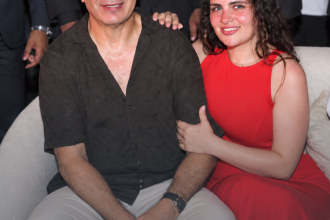
Gamal Khaled has rejected the accusation, saying the watch legally passed to him through his father, while his legal representatives have said the claims made against him are false and that legal steps are being taken in response.
The dispute has reopened questions surrounding the ownership of one of the late president’s most recognizable personal possessions — a 1963 Rolex Day-Date with a direct connection to both Gamal Abdel Nasser and his successor, Anwar El-Sadat.
Why Is Gamal Abdel Nasser’s Rolex Worth $840,000?
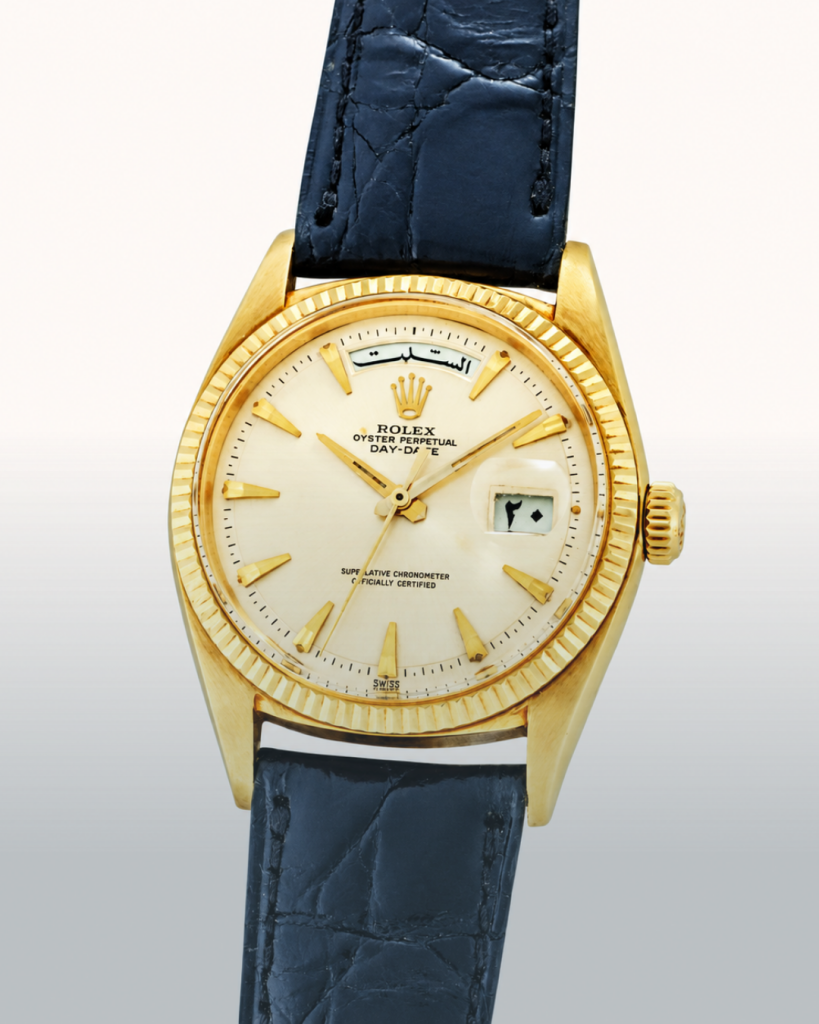
The watch is a Rolex Reference 1803 Day-Date, made from yellow gold and featuring Arabic day and date displays.
It was sold as part of Sotheby’s Important Watches auction in New York on December 6, 2024.
Before the auction, Sotheby’s estimated that the watch would fetch between $30,000 and $60,000.
Instead, intense bidding pushed the final price to an extraordinary $840,000, around 14 times the upper end of its original estimate.
Its value was driven primarily by its historical provenance rather than simply the Rolex model itself.
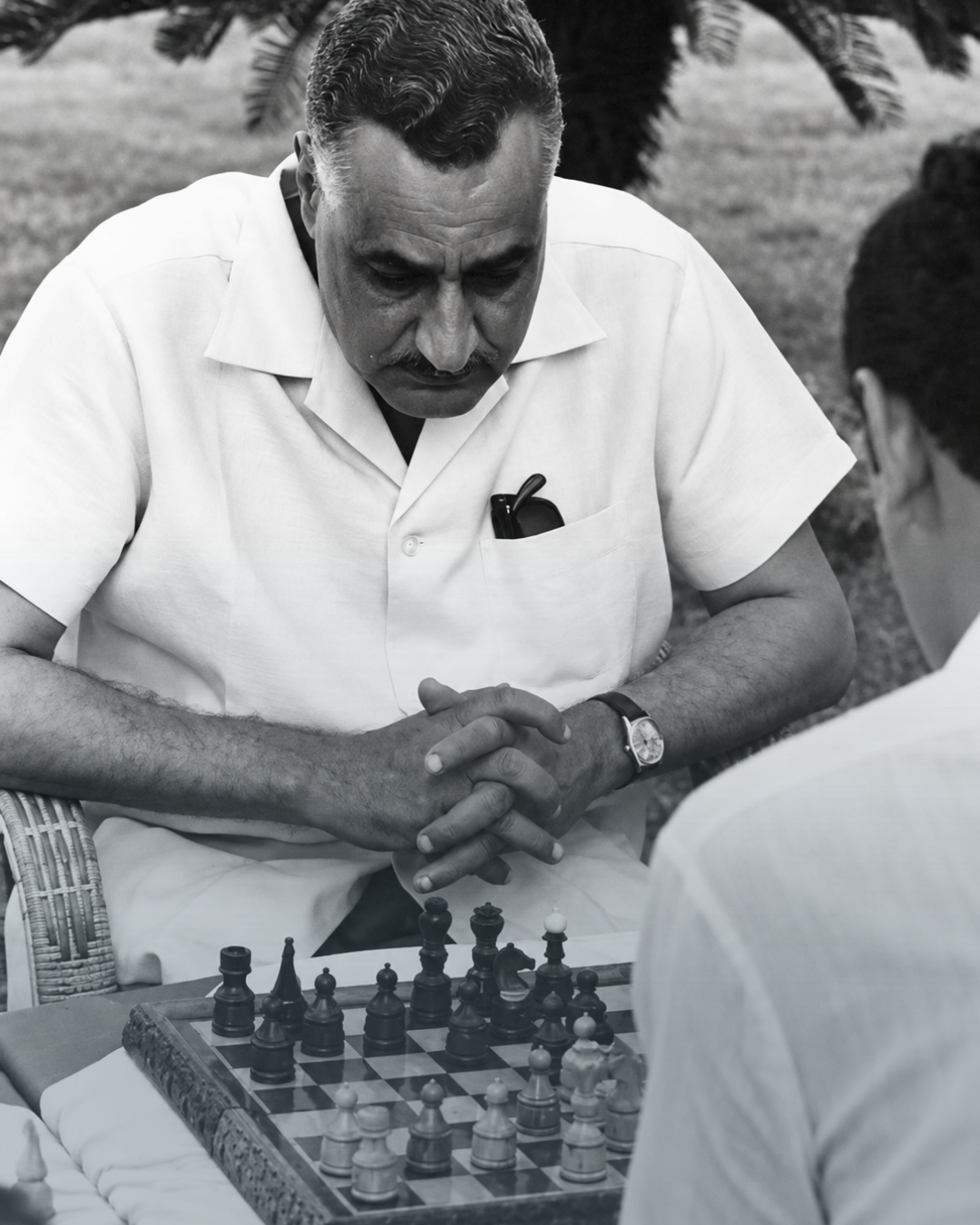
Sotheby’s confirmed that the watch had been owned and worn by Gamal Abdel Nasser during his presidency.
The Rolex Was a Gift From Anwar El-Sadat
The watch carries another important piece of Egyptian political history.
According to Sotheby’s, Anwar El-Sadat gifted the Rolex to Gamal Abdel Nasser in 1963, years before Sadat succeeded him as president of Egypt.
An Arabic inscription on the back reads “Mr. Anwar El Sadat 26-9-1963.”
Sotheby’s said the Rolex could be seen on Abdel Nasser’s wrist during several important periods of his presidency, including diplomatic meetings and events surrounding the 1967 Six-Day War.
The combination of its connection to two Egyptian presidents, its documented provenance and its unusual Arabic dial helped transform the watch from a luxury object into a major historical collectible.
How Did the Watch Reach Gamal Khaled Abdel Nasser?
The central disagreement now concerns what happened to the Rolex after Gamal Abdel Nasser’s death in 1970.
Ahead of the 2024 auction, Sotheby’s published an account provided by his grandson Gamal Khaled Gamal Abdel Nasser.
According to that version, Abdel Nasser’s widow Taheya Kazem gave the watch to their eldest son, Dr. Khaled Gamal Abdel Nasser, shortly after the former president’s death.
Gamal Khaled said that several years before his father died in September 2011, Khaled showed him the Rolex and passed it on to him.
Sotheby’s presented the watch at auction based on that family provenance.
Gamal Khaled repeated that position when the controversy resurfaced in 2026.
He said the watch had come to him as an inheritance from his father and directly challenged the accusation made by his uncle.
Abdul Hamid Abdel Nasser Accuses His Nephew
The dispute returned to public attention after a social media post attributed to Abdul Hamid Gamal Abdel Nasser, another son of the former president.
In the post, Abdul Hamid accused his nephew of taking his father’s watch and selling it in New York and said his nephew did not represent the Abdel Nasser family.
The accusation quickly circulated across Egyptian media and social platforms.
Importantly, the accusation remains a family allegation. The available reports do not establish that a court has ruled that the Rolex was stolen or that the 2024 sale was unlawful.
Gamal Khaled Responds: The Watch Was My Inheritance
Gamal Khaled later responded publicly, saying the Rolex belonged to him through inheritance from his father.
He wrote that the watch, which had belonged to his grandfather, passed to him from Dr. Khaled Gamal Abdel Nasser, who died on September 15, 2011.
He then called on his uncle to clarify exactly whom he was accusing and on what basis.
His legal team subsequently issued a more formal statement.
The lawyers described the claims circulating about Gamal Khaled as false, warned against repeating unverified accusations and said legal measures had been taken while reserving his right to pursue further action against anyone publishing information they consider defamatory.
The Family Had Objected to the Sale Before
The latest dispute did not emerge entirely out of nowhere.
When the Rolex was originally auctioned in December 2024, other members of the Abdel Nasser family had already expressed objections to the sale.
Abdel Hakim Gamal Abdel Nasser, another son of the former president, described the decision at the time as a unilateral action by his nephew.
He said that he and his sister Hoda Abdel Nasser had learned about the sale through the media and had tried to convince Gamal Khaled not to proceed.
According to Abdel Hakim, the watch should instead have been placed in the Gamal Abdel Nasser Museum in Cairo, where much of the former president’s personal collection is preserved.
Gamal Khaled, however, maintained that it had been personally passed down to him through his father.
This disagreement over whether the watch should be considered a private inherited possession or part of the wider family and historical legacy sits at the heart of the controversy.
One of Abdel Nasser’s Few Personal Possessions Outside a Museum
The Rolex was particularly significant because most of Gamal Abdel Nasser’s possessions were eventually donated by his family to the museum dedicated to his life.
Sotheby’s described the Rolex before the auction as the former president’s sole major personal possession outside a museum collection.
That distinction helps explain why some members of the family opposed its sale.
For them, its significance went beyond its financial value and extended to its place within Abdel Nasser’s historical legacy.
For collectors, however, those same qualities made the watch exceptionally valuable.
The Rolex Smashed Its Auction Estimate
The difference between Sotheby’s estimate and the final auction result showed just how much collectors valued the watch’s history.
With a pre-sale estimate of only $30,000 to $60,000, the bidding reportedly lasted almost six minutes and involved multiple bidders before reaching $840,000.
The result placed Abdel Nasser’s watch among the more remarkable sales of a historically significant Rolex Day-Date.
Sotheby’s has continued to highlight the watch in its coverage of notable Day-Date models, listing the $840,000 result as an example of how historical provenance can dramatically increase the value of a vintage timepiece.
A $840,000 Watch and a Much Bigger Question
The renewed controversy is ultimately about more than the price of a Rolex.
For members of Gamal Abdel Nasser’s family, the dispute raises questions over inheritance, family ownership and who has the right to sell objects closely connected to one of Egypt’s most influential modern political figures.
One side argues that the Rolex passed legally from Taheya Kazem to Khaled Abdel Nasser and eventually to his son Gamal Khaled.
Other members of the family have argued that selling such an historically important object without their approval was unacceptable and that the watch belonged in the Gamal Abdel Nasser Museum.
For now, what is firmly documented is that the Rolex belonged to Gamal Abdel Nasser, was auctioned by Sotheby’s in New York on December 6, 2024, and sold for $840,000.
The question of who had the ultimate right to dispose of it is now at the center of a very public Abdel Nasser family dispute.