
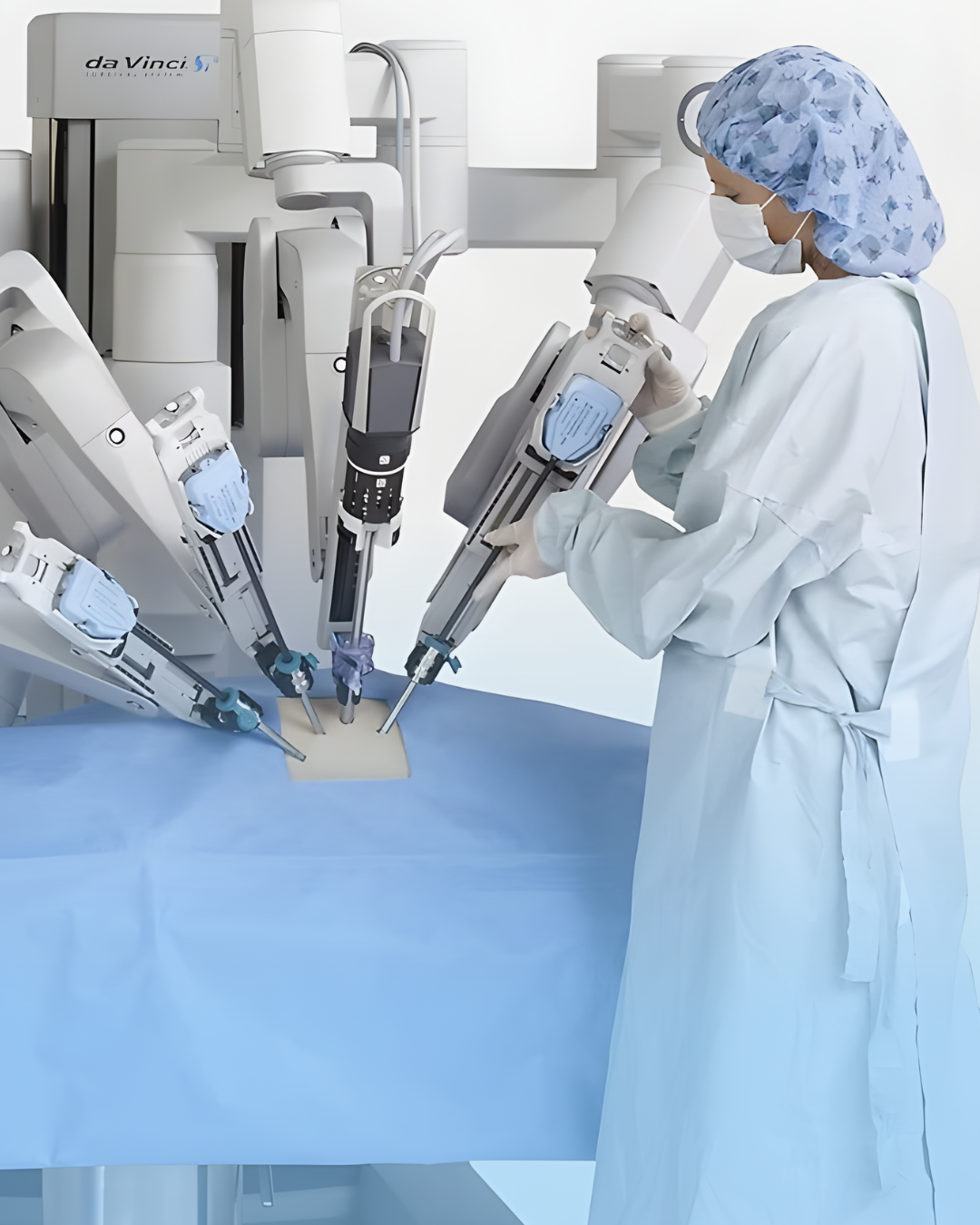
February 25 — Cairo: Egypt is preparing to introduce robotic surgery technology into its public healthcare system, with a pilot programme scheduled to begin at Nasser Institute Hospital, Health Minister Khaled Abdel Ghaffar announced during a meeting with representatives of Tecnoviv and Medbot.
The initiative is part of a broader government strategy aimed at modernising healthcare services and incorporating advanced medical technologies into public hospitals.
Abdel Ghaffar described robotic-assisted surgery as a major development in surgical practice, highlighting its precision and advanced capabilities. He noted that the technology can enhance patient outcomes, reduce the likelihood of surgical errors, and improve overall safety standards. The minister reiterated the ministry’s commitment to adopting innovative medical technologies to elevate the quality of healthcare nationwide.
The first robotic surgical unit is expected to become operational at the Nasser Institute during the initial phase of implementation. Authorities plan to gradually expand the programme to additional major hospitals across the country.
Health Ministry spokesperson Hossam Abdel Ghaffar said the discussions focused on the potential use of robotic systems for performing complex procedures, particularly in specialties such as urology, obstetrics and gynaecology, and general surgery. He added that robotic-assisted operations can help lower complication rates, shorten recovery periods, and improve clinical efficiency.
The minister also ordered the establishment of a national robotic surgery committee, composed of senior medical experts, to develop regulatory guidelines and oversee the phased rollout of the technology in Egyptian hospitals.
Additionally, plans were discussed to create a dedicated training centre at the Princess Fatima Academy for Medical Professional Education. The centre will focus on preparing medical teams to operate robotic surgical systems according to international professional and scientific standards.